.png)
Things to Know Before Your Destin Boat Trip

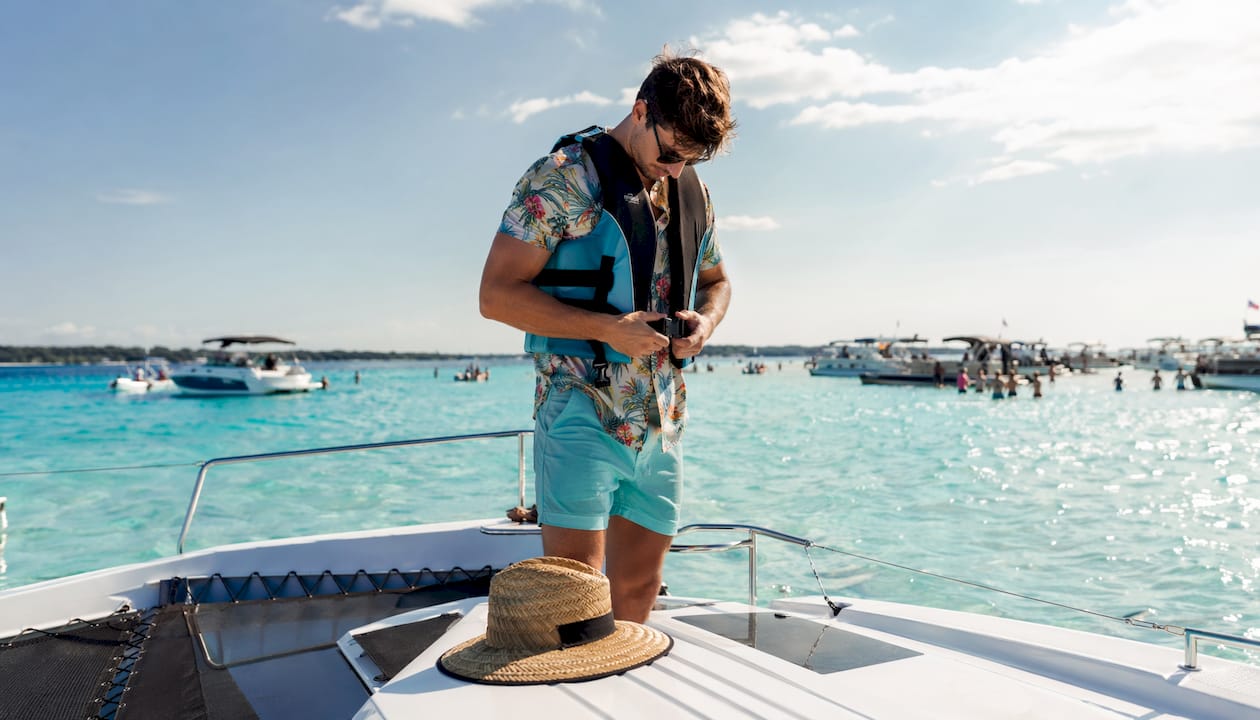
A Destin boat trip is defined by three non-negotiable factors: safety compliance, weather awareness, and knowing where you’re going before you leave the dock. Crab Island, the famous submerged sandbar at the heart of Destin’s boating scene, draws thousands of visitors each season. Getting there safely and comfortably requires more preparation than most first-timers expect. This guide covers the things to know before a Destin boat trip, from Florida boating regulations and tide timing to packing essentials and anchoring techniques, so you spend your time on the water enjoying it rather than fixing problems.
What safety regulations and equipment you must have for a Destin boat trip
Florida boating law sets clear requirements, and the Gulf enforces them. Florida law requires children under 6 to wear a USCG-approved life jacket on any vessel under 26 feet while underway. That rule applies the moment you leave the dock. Every passenger also needs a properly fitted life jacket on board, regardless of age.
Operators face their own requirements. Boat operators born on or after January 1, 1988, must carry a Florida Boating Safety Education ID to legally operate any vessel over 10 horsepower. If you’re renting, confirm whether the rental company provides this training or requires proof before handing over the keys.
Beyond personal flotation devices, your vessel must carry USCG-approved safety equipment. The standard list includes:
Visual distress signals (flares or an electric signal device)
A fire extinguisher rated for marine use
A sound-producing device such as a horn or whistle
Navigation lights for low-visibility conditions
A throwable flotation device (Type IV)
No-wake zones near docks, marinas, and residential areas around Destin Harbor carry real legal consequences if ignored. Speed limits in these zones exist to protect swimmers, kayakers, and other vessels in tight waterways.
Pro Tip: Verify the condition of all safety equipment yourself before departure, even on a rental. Rental companies may supply the gear, but a missing pin on a flare kit or an expired fire extinguisher is your problem once you’re on the water.
How to plan around Destin weather, tides, and currents
Weather is the most underestimated variable on a Destin boat trip. Sustained winds above 15 knots make anchoring difficult and swimming uncomfortable near Crab Island. Wind at that level also kicks up chop that makes the ride back to the marina genuinely unpleasant for families with young kids.
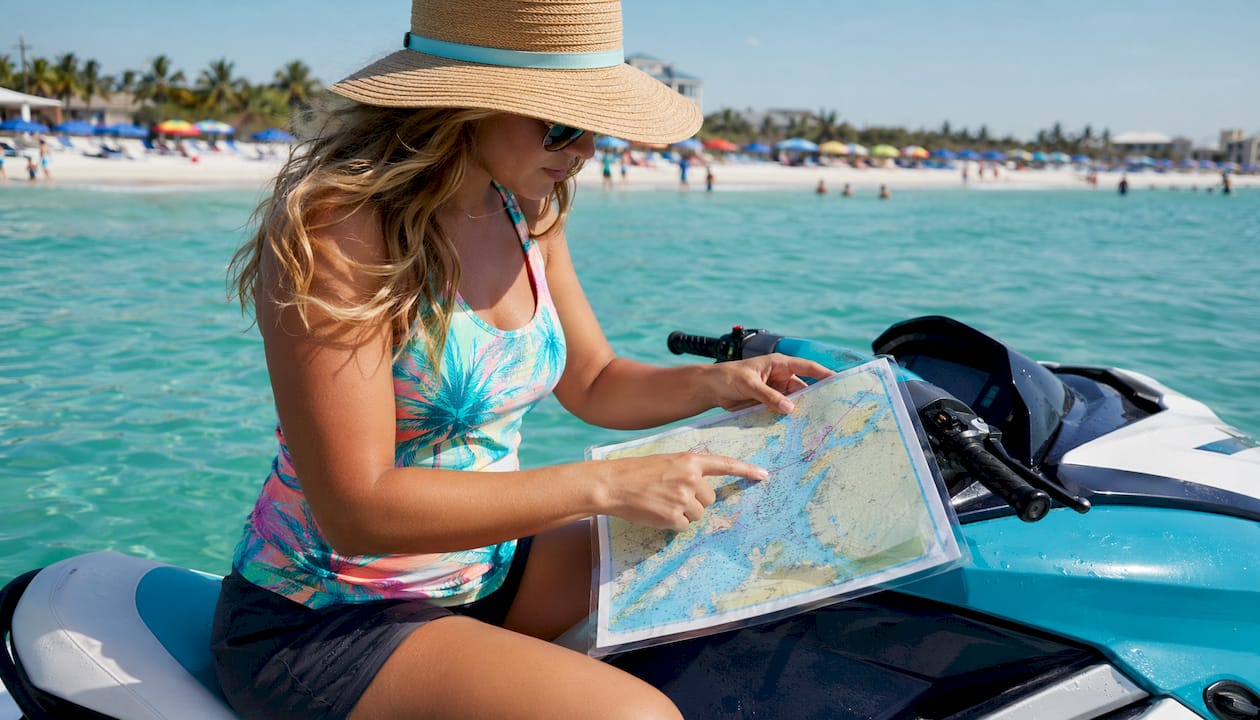
Tides matter just as much as wind. High tide brings clearer water, safer swimming, and better anchoring conditions near Crab Island. The optimal window is the two hours before and after high tide, when water depth and clarity peak. Arriving at low tide means shallow, murky water and a crowded, exposed sandbar that’s harder to anchor on.
Tidal currents near Destin Bridge and East Pass move faster than they look from shore. New boaters often underestimate the push of the current when maneuvering in those channels. Slow down, plan your approach, and give yourself extra room.
Florida summer afternoons bring a specific hazard: rapid-building thunderstorms. Afternoon thunderstorms can develop quickly and pose serious safety risks on open water. The standard response is simple: if you see lightning or hear thunder, get off the water immediately and wait at least 30 minutes after the last strike before returning.
Check the National Weather Service marine forecast the morning of your trip and again one hour before departure. Conditions on the Gulf change faster than land-based forecasts suggest. A calm morning can turn into a 20-knot afternoon with no warning.
Key weather planning habits:
Use the NOAA marine forecast, not a general weather app
Watch for anvil-shaped clouds building to the west in the afternoon
Set a firm turnaround time before storms typically build (usually by 2:00 PM in summer)
Know the location of the nearest marina or shelter before you leave
What to pack and bring for a Destin boat trip
Packing well separates a great day from a miserable one. Reef-safe sunscreen, ample water at 2–3 liters per person, snacks, and a first aid kit are the non-negotiable baseline. The Florida sun reflects off the water and accelerates burning, so reef-safe SPF 50 applied before boarding is the standard, not the exception.
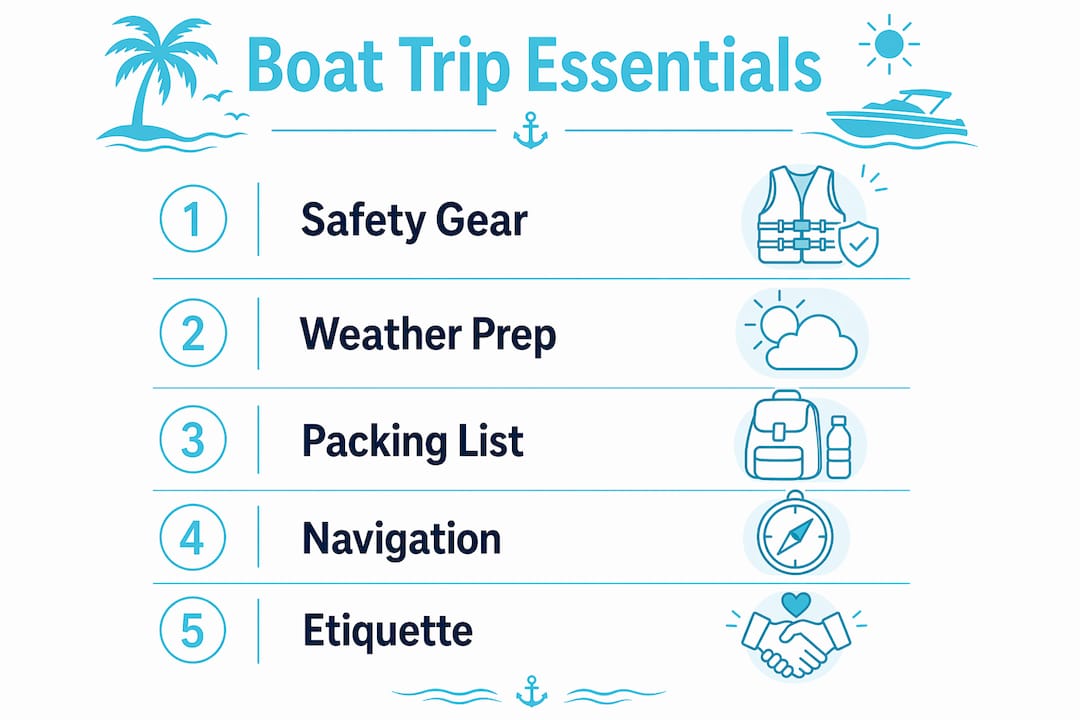
Category | What to Bring |
Sun protection | Reef-safe SPF 50 sunscreen, UV-blocking sunglasses, wide-brim hat |
Hydration and food | 2–3 liters of water per person, electrolyte drinks, easy snacks |
Safety gear | Life jackets, first aid kit, waterproof phone case, VHF radio |
Comfort extras | Floating mat, Bluetooth speaker, snorkel gear, shade canopy |
Anchor and line | Fluke-style anchor, extra anchor line, secondary anchor as backup |
A waterproof phone case is not optional. Phones go overboard more often than people expect, and losing your navigation app or emergency contact mid-trip creates real problems. Pack a dry bag for wallets, keys, and any electronics you’re not actively using.
Pro Tip: Bring a second anchor and extra line. Crab Island’s shifting sand means a single anchor can drag, especially when afternoon boat traffic picks up and wakes start rocking your vessel.
Floating mats and snorkel gear are worth the trunk space. Crab Island’s shallow, clear water is ideal for snorkeling, and a floating mat lets you relax without constantly treading water. These extras turn a good trip into a genuinely memorable one.
How to navigate and enjoy Crab Island and Destin’s popular spots
Crab Island is a submerged sandbar reachable only by boat or personal watercraft. It sits just north of Destin Bridge in the Choctawhatchee Bay. The route from Destin Harbor is straightforward, but first-timers need to know the channel markers before they go.
Follow this sequence for a clean approach:
Depart Destin Harbor heading east through the marked channel.
Pass under Destin Bridge, staying in the designated boating lane.
Turn north immediately after the bridge and follow the sandbar’s edge.
Approach Crab Island from the south side, moving slowly as depth decreases.
Scout your anchoring position before dropping anchor, avoiding marked channels and other vessels.
Fluke-style anchors work best in Crab Island’s shifting sand. Drop your anchor with adequate line scope, typically 5 to 7 times the water depth, and check it regularly. Dragging anchors are the leading cause of boat-to-boat collisions at the sandbar.
Timing your visit matters for crowd management as much as tide management. Weekday mornings before 10:00 AM offer the calmest conditions and the most anchoring space. Weekend afternoons pack the sandbar with hundreds of boats, which raises the risk of anchor dragging, prop strikes near swimmers, and noise-related conflicts.
Boating etiquette at Crab Island is unwritten but widely understood. Keep your music at a reasonable level, give swimmers a wide berth when maneuvering, and never anchor in a way that blocks another boat’s exit. Respecting these norms keeps the experience enjoyable for everyone and reduces the chance of accidents.
Common mistakes first-time Destin boaters make
Anchoring at low tide is the most common and costly mistake at Crab Island. Boats that anchor in shallow spots at low tide can become grounded when the tide drops further, requiring a tow and sometimes causing hull damage. Always check the tide chart before you anchor and pick a spot with enough depth to stay afloat through the full tidal cycle.
Ignoring weather changes is the second major error. Boaters who stay out past the afternoon storm window often get caught in fast-moving squalls with no shelter nearby. The rule is simple: if the sky changes, leave early rather than wait and see.
Overcrowding a vessel is both dangerous and illegal. Florida law sets passenger limits based on vessel size and weight capacity. Exceeding those limits affects stability, increases stopping distance, and creates liability if an accident occurs.
Sharing a float plan with a shore contact before departure is one of the most overlooked safety steps. A float plan includes your departure point, destination, expected return time, and the number of people on board. If you don’t return on schedule, that contact knows when to call for help.
Additional mistakes to avoid:
Failing to brief all passengers on safety equipment locations before departure
Renting a boat without confirming your Florida Boating Safety Education ID is current
Leaving the dock without a charged VHF radio or waterproof communication device
Skipping a pre-departure check of fuel levels, engine condition, and bilge pump function
Key Takeaways
A safe and enjoyable Destin boat trip requires tide timing, proper safety gear, weather monitoring, and solid anchoring technique before you ever leave the dock.
Point | Details |
Know Florida safety laws | Children under 6 must wear USCG-approved life jackets; operators born after 1988 need a Boating Safety Education ID. |
Time your trip around tides | Arrive within two hours of high tide for clearer water, better anchoring, and safer swimming near Crab Island. |
Watch the weather closely | Winds above 15 knots and afternoon thunderstorms are common hazards; check NOAA marine forecasts before and during your trip. |
Pack the right gear | Bring reef-safe sunscreen, 2–3 liters of water per person, a fluke-style anchor, and a waterproof phone case. |
Share a float plan | Tell a shore contact your route, destination, and expected return time before every trip. |
What I’ve learned after years on Destin’s water
Most first-time boaters focus on the fun and underestimate the logistics. That’s understandable. Crab Island looks like a party from the photos, and it is. But the boaters who have the best time are always the ones who did the boring work first: checked the tides, filed a float plan, packed the second anchor.
The timing insight that most guides skip is this: the sandbar is genuinely more enjoyable on a Tuesday morning than a Saturday afternoon. The water is calmer, the anchoring is easier, and you’re not dodging wakes from a hundred other boats. If your schedule has any flexibility, use it.
Respecting the local environment matters more than most visitors realize. Crab Island’s ecosystem is fragile. Reef-safe sunscreen isn’t just a packing tip. It’s the difference between a healthy sandbar and a degraded one five years from now. The boaters who treat the water well are the ones who get to keep coming back.
The single best piece of advice I can offer: go out with an experienced captain at least once before you rent independently. Watching how a professional reads the water, manages the anchor, and responds to weather changes teaches you more in four hours than any article can. That knowledge sticks.
— Troy
How Crab-island-tours makes your Destin trip easier
Planning a Destin boat trip involves a lot of moving parts. Crab-island-tours removes most of them.
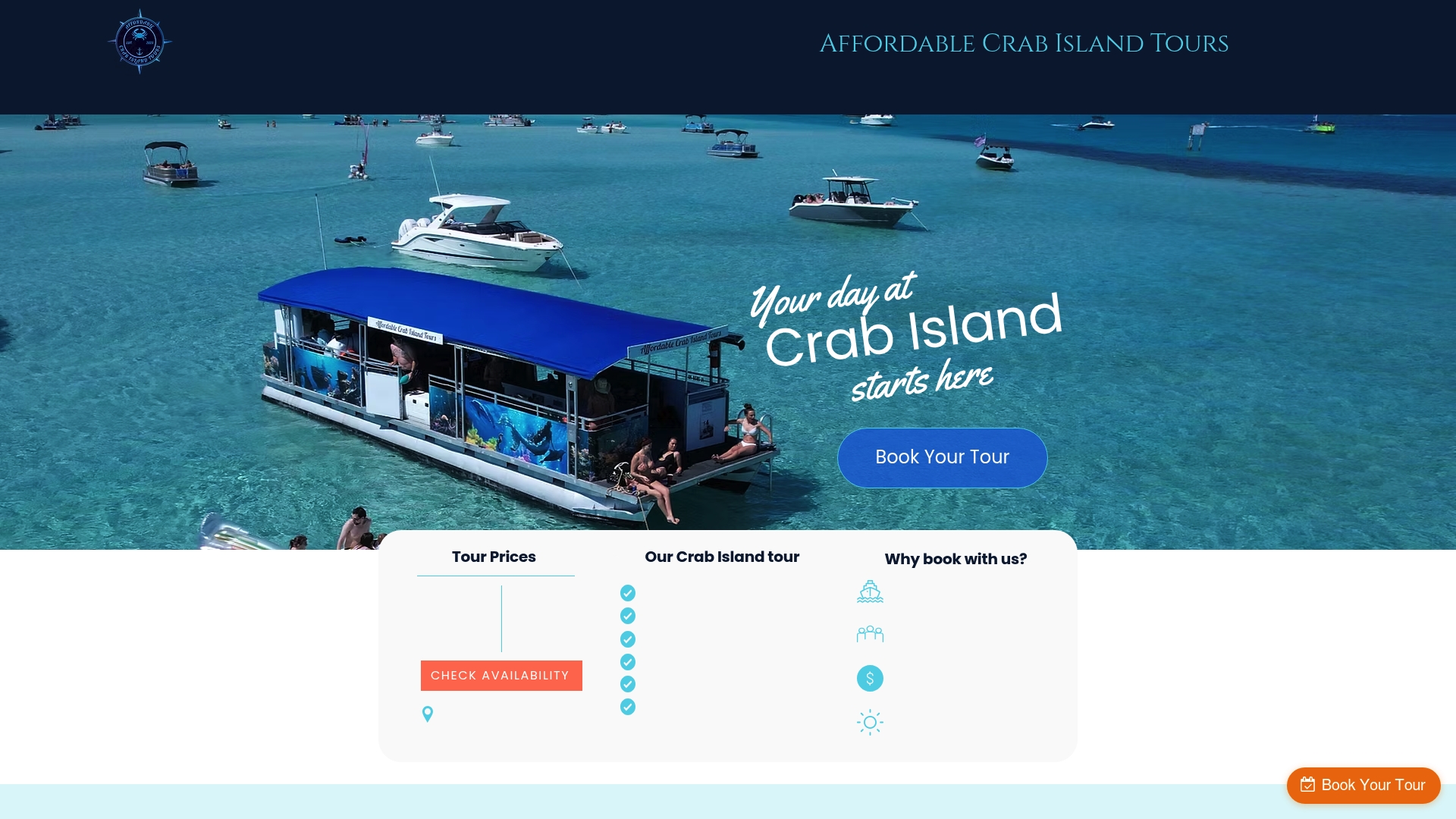
Crab-island-tours offers a 4-hour guided Crab Island tour that includes floats, an onboard restroom, and an experienced captain who knows local tides, weather patterns, and anchoring spots. You show up. They handle the rest. Families, couples, and groups consistently highlight the crew’s attentiveness and the value of not dealing with boat logistics on vacation. For travelers who want a stress-free introduction to Destin’s waters, Crab-island-tours is the most practical starting point.
FAQ
What safety equipment is required on a Destin boat trip?
Florida law requires USCG-approved life jackets for all passengers, with children under 6 required to wear one at all times underway. You must also carry visual distress signals, a fire extinguisher, a sound device, and a throwable flotation device.
When is the best time to visit Crab Island?
The best time is within two hours of high tide, when water depth, clarity, and anchoring conditions peak. Weekday mornings before 10:00 AM offer the least crowded and calmest experience.
Do I need a boating license to rent a boat in Destin?
Operators born on or after January 1, 1988, must carry a Florida Boating Safety Education ID to operate any vessel over 10 horsepower. Some rental companies provide the required training before departure.
What should I bring on a Destin boat trip?
Pack reef-safe sunscreen, 2–3 liters of water per person, a first aid kit, a waterproof phone case, and a fluke-style anchor with extra line. Floating mats and snorkel gear add comfort for sandbar visits.
How do I stay safe during afternoon storms on the Gulf?
Leave the water immediately at the first sign of lightning or thunder, and wait at least 30 minutes after the last strike before returning. Check the NOAA marine forecast and plan to be off the water before typical afternoon storm windows, usually by 2:00 PM in summer.
Recommended
Comments