.png)
Types of Crab Island Water Experiences: 2026 Guide

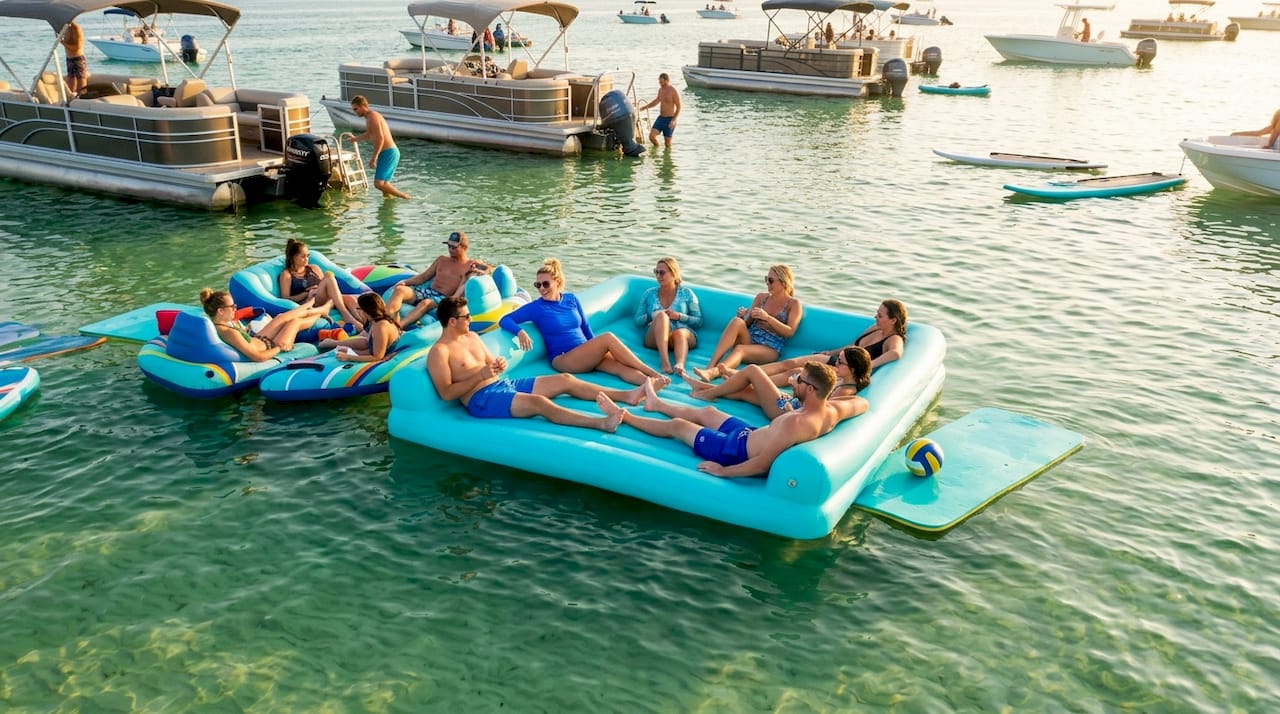
Crab Island is a submerged sandbar off Destin, Florida, where the types of Crab Island water experiences range from lazy inflatable floating to snorkeling, paddleboarding, private pontoon charters, and festive tiki boat cruises. The sandbar sits in the shallow emerald waters of Destin Harbor, making it accessible by motorboat, kayak, or paddleboard. What separates Crab Island from a typical beach day is the sheer variety packed into one location. Families, couples, and groups can each find something that fits their pace, budget, and energy level, all within a few hundred yards of the Destin Bridge.
1. Types of Crab Island water experiences at a glance
The core activities at Crab Island fall into five categories: floating, swimming and wading, snorkeling, paddleboarding and kayaking, and boat-based tours. Each one delivers a different version of the same emerald-water setting, and understanding the differences helps you plan a day that actually matches what your group wants.
Floating on inflatables and lily pads. This is the signature Crab Island activity. Vendors anchor large inflatable platforms, lily pads, and single-rider floats in the shallow water. You rent one, climb on, and drift. It requires zero skill and works for every age group.
Swimming and wading. The water at Crab Island is generally waist-deep, which means most adults can stand and walk around freely. Swimming is casual rather than athletic here.
Snorkeling. Snorkel gear is available through most group tours and some vendors on the water. The sandbar edges and areas around anchored boats offer the most interesting underwater views.
Paddleboarding and kayaking. Stand-up paddleboards and kayaks let you explore beyond the main anchoring zone. A 3-hour group tour typically includes shared paddleboard access as part of the package.
Boat-based experiences. Pontoon tours, private charters, and tiki cruises each deliver a different social environment and level of amenity.
Pro Tip: Confirm exactly which gear is included before booking any tour. Snorkel equipment and paddleboard usage policies vary by operator, and finding out on the water that your package excludes them is a frustrating surprise.
2. Floating on inflatables: the original Crab Island activity
Floating on inflatables is the activity most people picture when they think of Crab Island. Vendors anchor large platforms called lily pads in the shallow water, and guests can rent space on them by the hour. The experience is deliberately low-effort. You get on, you relax, you watch the boats, and you cool off by sliding into the water whenever you want.
What makes this more interesting than it sounds is the social atmosphere. Dozens of boats anchor nearby, music plays from floating vendors, and the whole scene has a block-party energy that a private beach never replicates. For couples looking for a relaxed afternoon or families with young kids who want a safe, contained water area, inflatable floating is the most accessible entry point into Crab Island activities.
3. Swimming and wading in shallow emerald water
Crab Island’s shallow depth is its defining physical feature. Most of the sandbar sits in water between knee-deep and chest-deep, which creates a wading environment that feels more like a natural pool than open ocean. You can walk from one anchored boat to another, stop to chat with strangers, and cover the whole area without ever losing your footing.
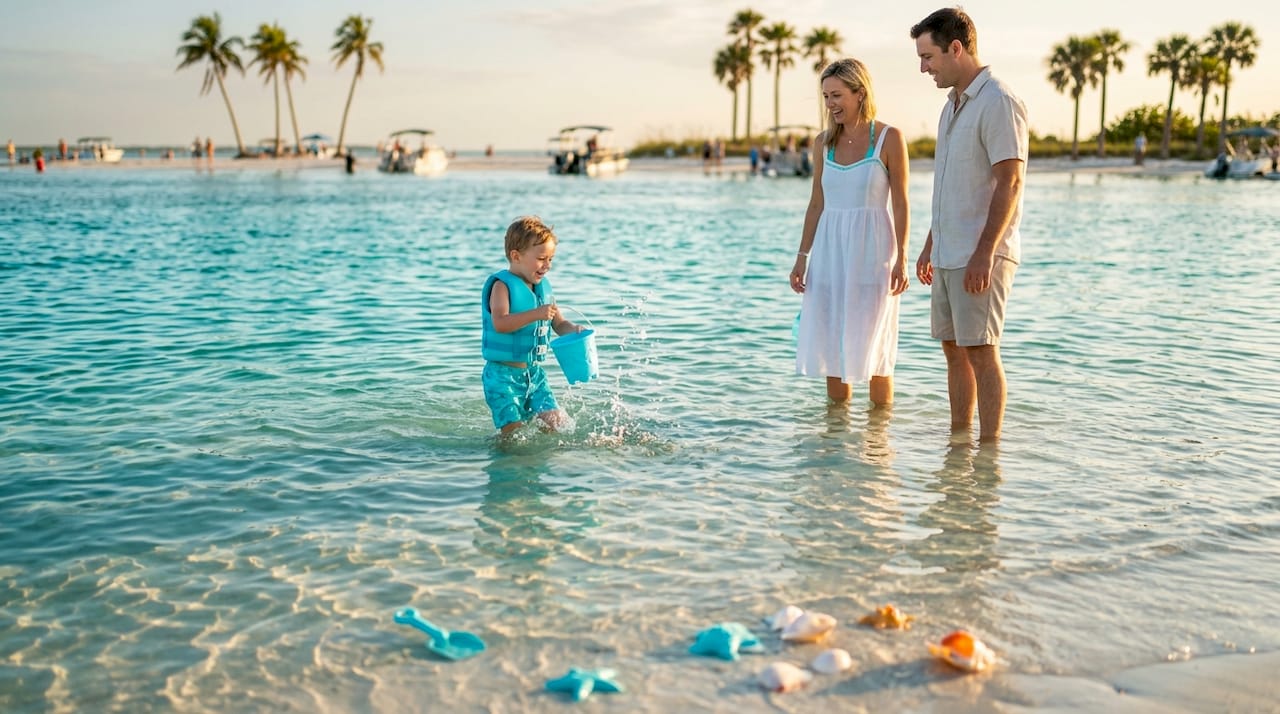
The water clarity shifts with the tide, which matters more for swimming than for floating. High tide between 11am and 4pm produces the clearest, most photogenic water. At low tide, the sandbar partially emerges and the water turns murkier from the disturbed sediment. If clear water is a priority for your group, plan your swim time around the tide chart rather than just the weather forecast.
4. Snorkeling around the sandbar and boat areas
Snorkeling at Crab Island is not the same as reef snorkeling in the Florida Keys, and setting that expectation correctly matters. The sandbar itself is sandy and shallow, but the edges near anchored boats and the drop-off zones hold small fish, crabs, and occasional rays. The experience rewards curiosity rather than dramatic marine life sightings.
Most group tours include snorkel gear as a standard item. A 3-hour harbor and Crab Island tour priced around $70 typically bundles snorkeling gear alongside paddleboards and lily pad access, making it one of the most cost-efficient ways to try multiple activities in a single outing. Private charters go further, offering flexible itineraries that include dedicated snorkeling stops at the best spots based on current conditions.
5. Paddleboarding and kayaking for active explorers
Stand-up paddleboarding and kayaking attract visitors who want to move rather than float. Both activities let you cover more of the Destin Harbor area, paddle away from the crowded anchoring zone, and get a physical workout while still enjoying the scenery. The calm, shallow water around Crab Island is genuinely ideal for beginners. There is no surf, minimal current, and plenty of space to practice without pressure.
Paddleboard rentals are available through vendors on the water and through most group tour packages. Kayaks are slightly less common but available through select operators. If you are traveling with a mixed group where some people want to be active and others want to relax, paddleboarding and floating work well in parallel. One person paddles while another drifts on a lily pad, and you meet back at the boat.
Pro Tip: Morning paddleboarding before 11am gives you calmer water and fewer boats in the area. The main crowd arrives between noon and 3pm, so early paddlers get a noticeably quieter experience.
6. Private and group boat tours: what sets them apart
The choice between a private charter and a group tour shapes the entire Crab Island experience, not just the boat ride. Here is how the two options compare across the factors that matter most:
Factor | Private charter | Group tour |
Group size | 2 to 12 passengers | Up to 20 or more |
Itinerary | Flexible, customizable | Fixed schedule |
Gear included | Full kit, all-inclusive | Shared, varies by operator |
Social vibe | Intimate, controlled | Lively, social |
Price per person | Higher | Lower (around $70) |
Best for | Couples, families, special occasions | Solo travelers, friend groups, budget trips |
Private pontoon charters hold up to 12 passengers and offer stability alongside activity variety, including dolphin watching, snorkeling, and paddleboarding with all gear provided. Dolphin sightings are a genuine highlight of harbor cruises and add wildlife value that purely sandbar-focused trips miss. Group tours trade customization for affordability and a built-in social atmosphere that many solo travelers and friend groups actively prefer.
7. Tiki boat cruises: the festive option
Tiki boat cruises represent the most social and party-oriented version of the Crab Island experience. Floating tiki bars hold up to six people and include all-inclusive food, drinks, and music for a cruise that stops at Crab Island as part of a broader harbor loop. The intimate capacity makes them better suited for small groups or couples celebrating something specific than for large families.
The tiki format trades activity variety for atmosphere. You are not paddleboarding or snorkeling from a tiki boat. You are eating, drinking, listening to music, and enjoying the view. For the right group, that trade is worth every dollar. For families with kids or groups that want to be physically active in the water, a pontoon tour or private charter delivers more value.
8. How tides and timing affect your water activities
Tide timing is the single most overlooked planning factor for Crab Island visitors. High tide produces clearer water and better anchoring conditions, while low tide exposes more of the sandbar and muddies the water. The practical implication is that the same activity, snorkeling or swimming, delivers a noticeably different experience depending on when you show up.
The best window is sunny days with high tide between 11am and 4pm. Seasonal patterns also matter. Summer brings the highest vendor presence, the most boat traffic, and the warmest water. Spring and fall offer quieter conditions with fewer crowds, though some vendors reduce hours outside peak season. Checking a tide chart the night before your visit and cross-referencing it with your tour departure time takes two minutes and meaningfully improves your day.
9. Family-friendly and kid-specific water experiences
Crab Island works exceptionally well for families because the water depth removes the primary safety concern of most ocean destinations. The waist-deep water means children can wade, splash, and play without being in over their heads, literally. Inflatable lily pads and water platforms are especially popular with kids, who treat them as floating playgrounds.
Here is what families should prioritize when choosing a Crab Island experience:
Inflatable platforms and lily pads give kids a contained, safe play area with easy water access.
Group tours with attentive crews provide shared snorkel gear and paddleboards with supervision built into the experience.
Paddleboarding with adult supervision works well for older kids and teenagers who want more independence on the water.
Anchoring for 2 to 3 hours gives families enough time to cycle through multiple activities without rushing. Most group tours anchor at Crab Island for this duration, which matches well with kids’ attention spans.
Onboard restrooms matter more with children than most parents anticipate. Choosing a tour boat that includes a restroom eliminates a logistical headache that can derail an otherwise great day.
Key takeaways
Crab Island delivers the best water experiences when you match the activity type to your group’s energy level, budget, and preferred social environment, then time your visit around high tide.
Point | Details |
Tide timing is critical | Visit during high tide between 11am and 4pm for the clearest water and best conditions. |
Activity variety is built in | One trip covers floating, swimming, snorkeling, and paddleboarding without extra planning. |
Private vs. group tours | Private charters offer flexibility and privacy; group tours offer affordability and social energy. |
Family safety advantage | Waist-deep water makes Crab Island safer for kids than most Florida beach destinations. |
Confirm gear inclusions | Always verify what snorkel equipment and paddleboard access is included before booking. |
What I’ve learned after watching hundreds of groups visit Crab Island
Most visitors make the same mistake: they book the cheapest option available without thinking about what their group actually needs. A couple celebrating an anniversary on a crowded group tour with 20 strangers is not going to have the romantic afternoon they imagined. A family of five on a tiki boat built for six adults is going to feel cramped and out of place.
The activity type matters less than the format. I have seen groups have a genuinely great time on a $70 group tour and a miserable time on a $400 private charter because they chose the wrong structure for their dynamic. The group tour works when you want energy, noise, and new people. The private charter works when you want control, quiet, and a crew that is focused entirely on your group.
Timing is the other variable most people ignore until it is too late. Arriving at Crab Island at 9am on a low-tide day in October is a very different experience from arriving at noon on a high-tide day in July. Neither is wrong, but only one of them matches the emerald-water, floating-vendor experience that most people are picturing when they book. Check the tide chart. It takes 90 seconds and it changes everything.
The Crab Island sandbar guide for 2026 covers the tide windows and seasonal patterns in detail if you want to go deeper on the planning side before you commit to a date.
— Troy
Book your Crab Island water experience today
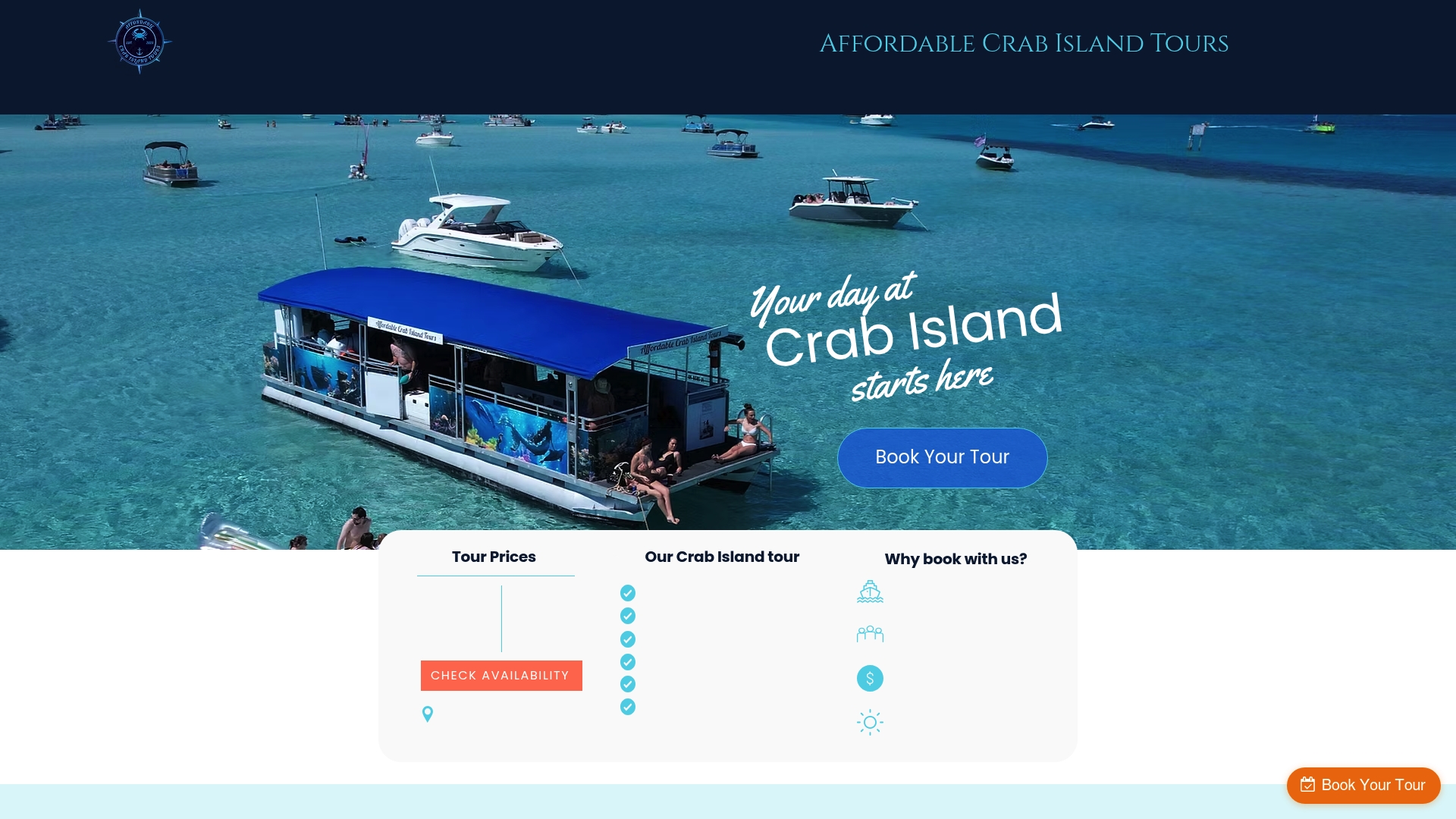
Crab-island-tours offers one of the most straightforward ways to get on the water without dealing with boat rentals, gear logistics, or complicated booking processes. Their 4-hour tours include floats, an onboard restroom, and experienced captains who know the sandbar well. You show up, they handle everything else. For families, couples, and groups who want a full Crab Island tour without the stress of coordinating equipment and transportation separately, this is the most practical option in the Destin area. Spots fill up fast during peak season, so booking early secures your preferred date and time.
FAQ
What water activities are available at Crab Island?
Crab Island offers floating on inflatables, swimming, snorkeling, paddleboarding, kayaking, and boat-based tours including private charters and tiki cruises. Most group tours bundle several of these activities into a single package.
When is the best time to visit Crab Island for water activities?
High tide between 11am and 4pm on sunny days produces the clearest water and best conditions for swimming and snorkeling. Checking a tide chart before your visit is the most reliable way to plan.
Are Crab Island water activities safe for kids?
Yes. The water is generally waist-deep, making it safe for children to wade and play with adult supervision. Inflatable platforms and lily pads are especially popular with younger kids.
What is the difference between a private charter and a group tour at Crab Island?
Private charters hold up to 12 passengers, offer flexible itineraries, and include all gear. Group tours cost around $70 per person, follow a fixed schedule, and provide a more social atmosphere with shared equipment.
How long do tours typically anchor at Crab Island?
Most tours anchor at Crab Island for 2 to 3 hours, which gives visitors enough time to try floating, swimming, snorkeling, and paddleboarding without feeling rushed.
Recommended
Comments