.png)
What Does a Boat Tour Include? Your Full Guide

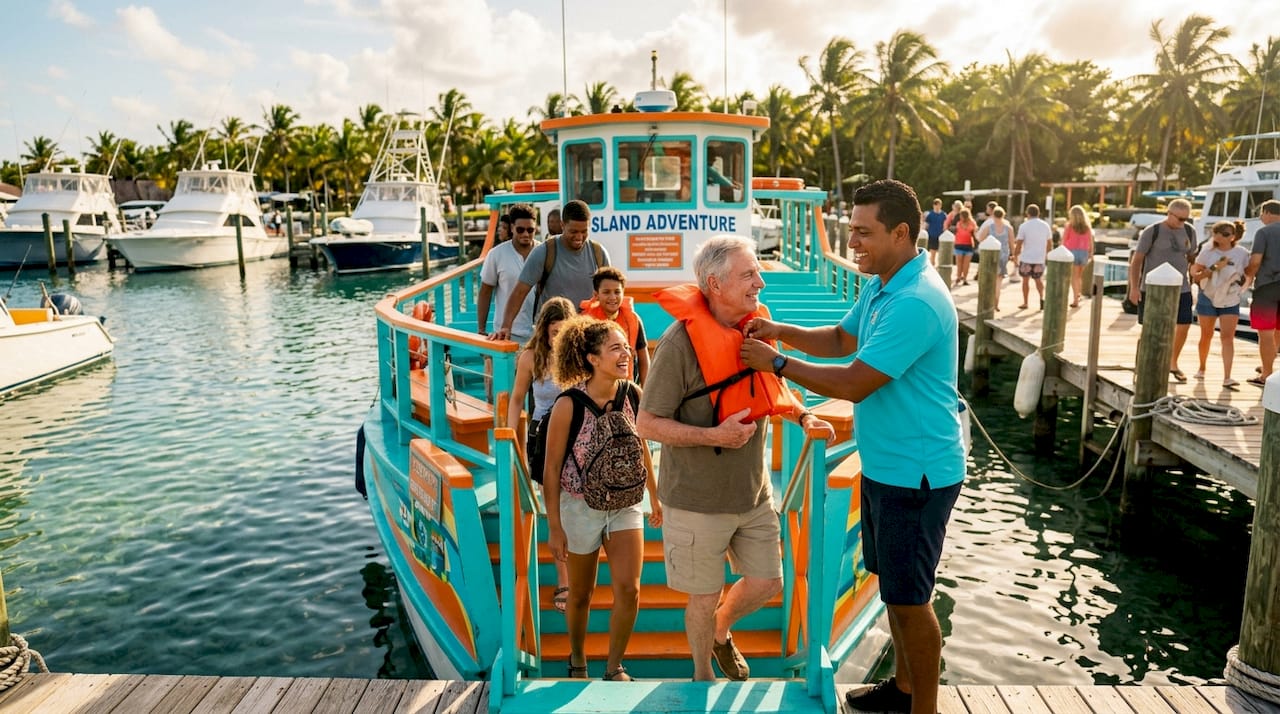
A boat tour is a scheduled water excursion that includes a guided route, onboard amenities, safety briefings, and structured guest services designed for sightseeing and recreation. Most guided boat tours run 2–4 hours and cover everything from live narration and scenic landmarks to restrooms, seating, and crew support. Knowing what does a boat tour include before you book saves you from surprises and helps you choose the right experience for your group. Crab-island-tours, for example, packages floats, an onboard restroom, and experienced captains into a single affordable price, so guests simply show up and enjoy.
What does a boat tour include as standard?
A standard guided boat tour includes four core elements: a planned route, live or recorded narration, onboard comfort features, and a safety briefing. These elements apply whether you are on a sightseeing cruise in Miami, a wildlife excursion on Lake Tahoe, or a sandbar tour in Destin. US Coast Guard regulations and safety inspections are standard on sightseeing vessels across the United States. That regulatory baseline means every licensed operator must meet minimum safety standards before a single guest boards.
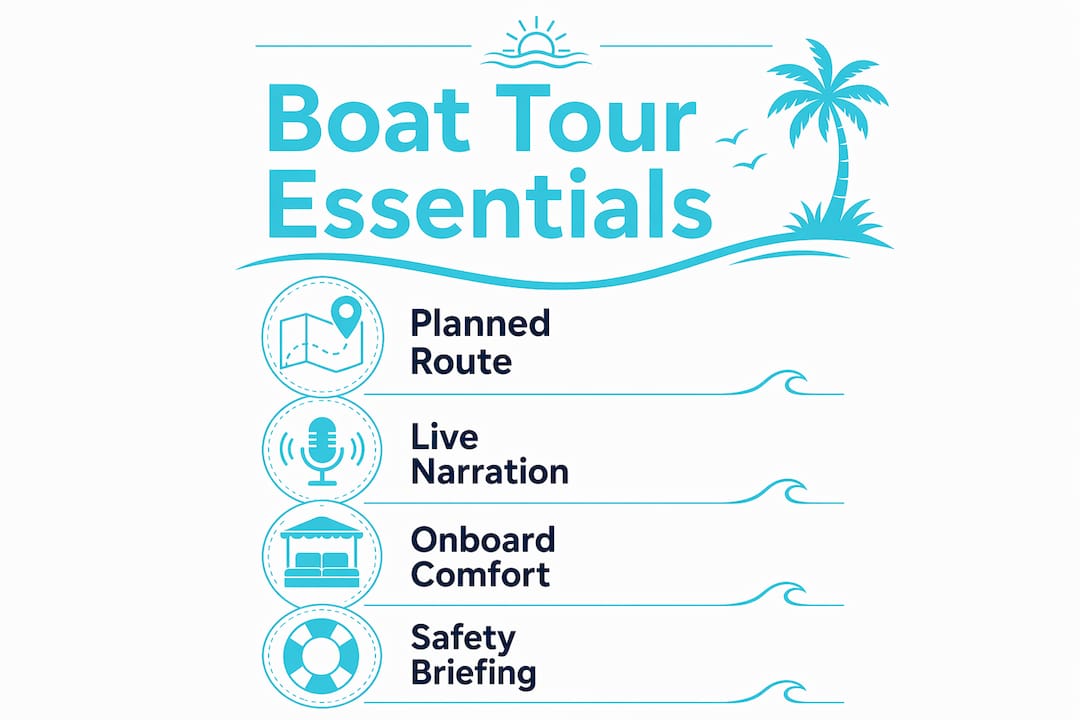
Narration is a defining feature of guided tours. Many operators deliver live narration in multiple languages, which makes the experience accessible to international visitors. The narration covers landmarks, local history, and points of interest along the route. Some captains also hold open Q&A sessions, turning a passive sightseeing ride into an interactive conversation.
The route itself is planned in advance and shared with guests as a boat tour itinerary. That itinerary typically includes departure and return times, key stops or viewing points, and any optional activity windows. Knowing the itinerary lets you plan the rest of your day without guessing.
What are the common onboard amenities and facilities?
Vessel quality shapes guest satisfaction more than almost any other factor. Shade, seating comfort, and restrooms consistently rank as the top comfort drivers for families and older travelers. A great route means little if guests are standing in direct sun for two hours with no place to sit.
Most mid-range and premium tours offer the following onboard features:
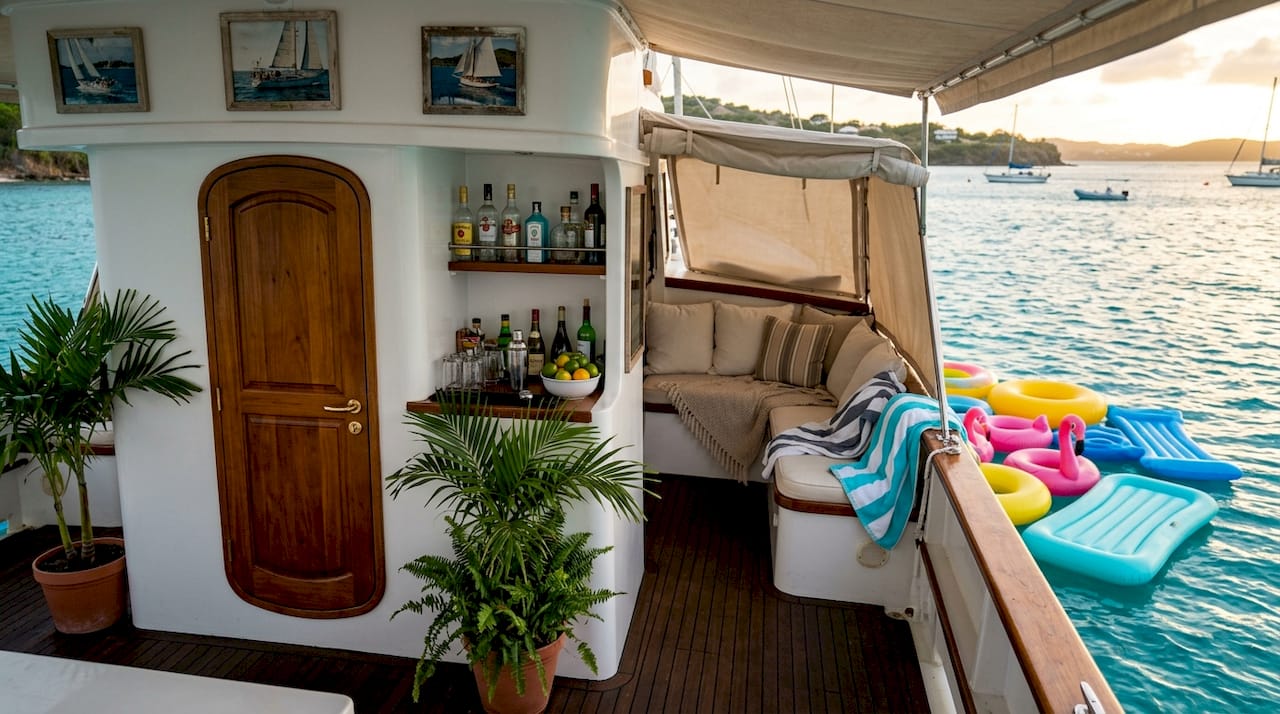
Seating options. Open-air decks for views and climate-controlled indoor cabins for shade or rain protection.
Restrooms. An onboard restroom is standard on larger vessels and a genuine convenience on tours lasting more than 90 minutes.
Shade structures. Canopies or covered decks protect guests from sun and light rain.
Safety equipment. Life jackets, throwable flotation devices, and first aid kits are required by law on US-flagged vessels.
Boarding assistance. Crew members typically assist guests at the dock, especially when boarding from floating platforms.
Refreshments. Food and drink inclusions vary widely by operator. Some tours include complimentary beverages; others allow guests to bring their own. Always confirm before booking.
Crab-island-tours includes an onboard restroom and floats as part of its standard package. That matters on a 4-hour tour where comfort directly affects how much fun you have.
Pro Tip: Check whether the boat has a covered area before booking. Open-air-only vessels can be brutal in peak summer heat, especially for young children or guests with sun sensitivity.
What does a typical boat tour itinerary look like?
A well-structured boat tour itinerary balances cruising time with activity windows and viewing stops. The ratio depends on the tour type, but most operators follow a predictable flow.
Departure and safety briefing. The crew covers boarding procedures, life jacket locations, and movement guidelines before leaving the dock.
Initial cruise to the first landmark or destination. This segment often includes narration about the surrounding area, local wildlife, or historical context.
Primary viewing or activity stop. Depending on the tour type, this could be a sandbar, a wildlife area, a reef, or a scenic bay.
Open activity or exploration window. Guests swim, snorkel, photograph, or simply relax. Crab-island-tours builds this into its Crab Island stop, where guests can use floats and enjoy the water freely.
Return cruise. The return leg often includes additional narration, photo opportunities, or a captain Q&A.
Docking and disembarkation. Crew assists guests off the vessel and answers any follow-up questions.
Lake Tahoe boat tours serve as a useful benchmark. They typically include narrated sightseeing, access to all deck levels, climate-controlled indoor seating, restrooms, and a captain-led Q&A session. That package represents what a well-run guided tour delivers as a baseline.
Tour types vary significantly in their activity mix. Sightseeing cruises prioritize narration and landmarks. Wildlife excursions slow down at key viewing zones and may include binoculars or naturalist guides. Sunset cruises focus on atmosphere and often include music or beverages. Adventure tours add snorkeling, kayaking, or fishing to the itinerary. Knowing which type fits your group helps you match the boat tour activities to your actual interests.
Pro Tip: Morning departures are almost always calmer on the water. Wind picks up in the afternoon, which means choppier conditions and a rougher ride for guests prone to motion sickness.
What safety protocols and guest preparation are recommended?
Safety is built into every licensed boat tour before guests even step on board. The crew runs a mandatory briefing that covers more than just life jacket locations. Safety briefings include guidance on how to board from floating docks and how to hold handrails during turns. That specific information reduces anxiety for first-time guests who do not know what to expect when the boat moves.
Key preparation steps for guests include:
Arrive early. Guests should arrive at least 30 minutes before departure to complete check-in and boarding without rushing.
Take motion sickness medication in advance. Preventative medication works best when taken 30–60 minutes before departure, not after symptoms start.
Watch the horizon. Focusing on the horizon rather than a phone screen helps your body maintain equilibrium on a moving vessel.
Protect your valuables. Water spray and humidity can damage phones and cameras. Waterproof cases or dry bags are worth bringing even on calm days.
Communicate mobility needs. First-time guests with stability concerns should tell the crew before boarding. Crew members can provide extra support and choose better seating positions.
Weather contingency plans vary by operator. Most reputable tours monitor forecasts and communicate changes by phone or email before departure. Ask about the cancellation and rescheduling policy when you book.
Pro Tip: Wear non-slip shoes with closed toes. Flip-flops are comfortable on land but become a hazard on a wet deck that is constantly moving.
How do costs and inclusions vary across tour types?
Boat tour pricing reflects what is included, the vessel size, and the duration. Understanding the difference between headline price and total cost prevents budget surprises on the day.
Tour type | Typical inclusions | Common extras |
Sightseeing cruise | Narration, seating, restrooms, safety gear | Beverages, photos, gratuity |
Wildlife excursion | Narration, naturalist guide, binoculars | Snorkel gear, meals |
Sunset cruise | Narration, music, seating | Drinks, premium seating |
Adventure or activity tour | Equipment use, guide, safety gear | Meals, specialty gear rental |
Sandbar or island tour | Floats, crew, restroom, guided stop | Food, alcohol, extended time |
River cruises differ fundamentally from day boat tours. River cruises include accommodations and some meals as part of the package. Day boat tours are shorter, based in one location, and charge separately for lodging and most meals. That distinction matters when comparing prices across very different product types.
The best way to evaluate cost is to add up all likely extras before comparing operators. A lower headline price with paid beverages, paid equipment, and a mandatory gratuity can easily exceed a higher all-in price. For families especially, the Destin sightseeing tour options worth comparing are those that bundle the most common needs into a flat rate.
Crab-island-tours prices its 4-hour Crab Island experience to include floats, an onboard restroom, and an experienced captain at a rate the brand positions as budget-friendly. Guests do not pay separately for the core experience.
Key Takeaways
A boat tour’s value comes from the combination of its route, onboard comfort, crew quality, and what is included in the base price.
Point | Details |
Core inclusions | Most tours include narration, a planned route, safety gear, and onboard seating as standard. |
Comfort drives satisfaction | Shade, restrooms, and seating comfort matter more than route for families and older guests. |
Arrive early and prepare | Show up 30 minutes before departure and take motion sickness medication 30–60 minutes in advance. |
Compare total cost | Add likely extras to the headline price before comparing operators across tour types. |
Communicate with crew | Tell the crew about mobility or stability concerns before boarding for better support and seating. |
What most guests overlook about boat tour inclusions
Most guests focus entirely on the destination when they book a tour. They want to see the dolphins, reach the sandbar, or catch the sunset. That focus is understandable, but it misses what actually determines whether the experience is enjoyable from start to finish.
The vessel itself is the experience. I have been on tours with spectacular routes where guests were miserable because there was no shade, no restroom, and nowhere comfortable to sit. I have also been on modest routes where the crew was attentive, the boat was well-equipped, and guests left raving about the trip. The physical comfort of the vessel shapes mood, energy, and memory more than most people expect.
The other thing guests consistently underestimate is the safety briefing. Most people treat it as a formality and tune out. That is a mistake. The briefing tells you exactly how to move on the boat, where to hold on during turns, and how to board and exit safely. Guests who pay attention feel less anxious and move more confidently throughout the tour. That confidence directly improves enjoyment.
My honest advice: read the inclusions list carefully before you book, not after. Ask specifically whether the restroom, shade, and any equipment are included in the base price. And tell the crew anything relevant about your group before you board. A good crew will adjust for you. A great crew already expects to.
— Troy
Crab-island-tours: a stress-free way to experience Crab Island
Planning a water excursion should not require a logistics degree. Crab-island-tours makes the process simple for families, couples, and groups visiting the Destin area.
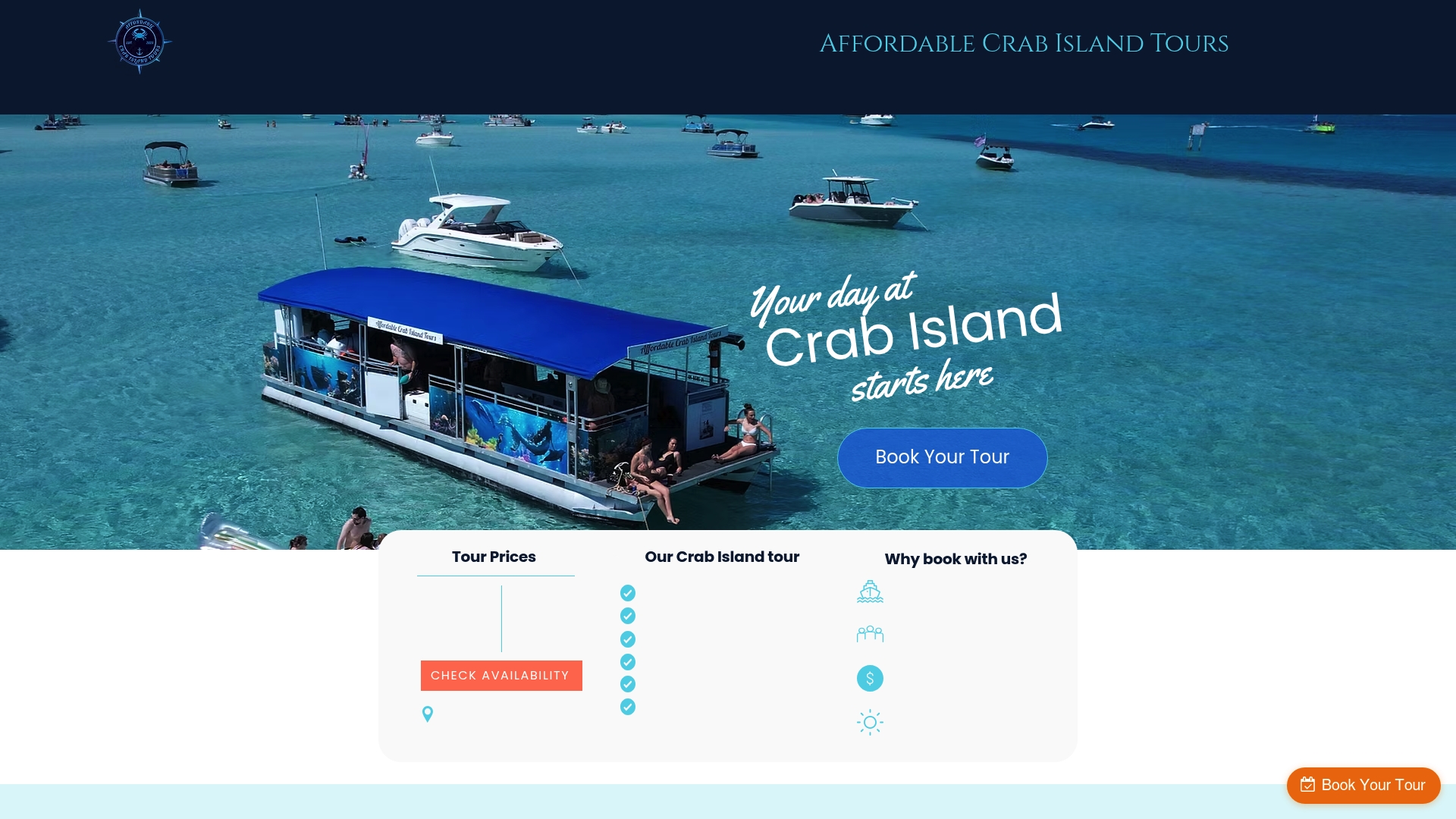
The Crab Island tour package includes floats, an onboard restroom, and an experienced captain for a full 4-hour outing at a price that does not require add-ons to enjoy the day. Guests show up, board, and let the crew handle everything else. Customer reviews consistently highlight the attentive crew, the value for money, and the relaxed atmosphere that makes the trip memorable. If you want a well-supported, affordable day on the water without the stress of renting and managing a boat yourself, Crab-island-tours is worth booking.
FAQ
What is typically included in a boat tour?
Most boat tours include a planned route, live or recorded narration, onboard seating, safety equipment, and crew support. Restrooms and shade are standard on larger vessels, while food and beverages vary by operator.
How long does a typical boat tour last?
Most day boat tours run between 2–4 hours. Longer tours may include meal service or multiple stops, while shorter tours focus on a single landmark or scenic route.
Are food and drinks included in boat tour prices?
Food and drink inclusions vary widely. Some operators include complimentary beverages, while others allow guests to bring their own. Always confirm the policy before booking to avoid unexpected costs.
What should I bring on a boat tour?
Bring sunscreen, non-slip shoes, a waterproof case or dry bag for electronics, and any motion sickness medication taken 30–60 minutes before departure. Most operators provide safety equipment and any listed tour gear.
Are boat tours safe for families with young children?
Licensed boat tours in the United States operate under US Coast Guard regulations, which require safety equipment and crew training. Tell the crew about young children or guests with mobility needs before boarding so they can provide appropriate support and seating.
Recommended
Comments