.png)
Best Calm Water Tours for Young Kids: A Parent's Guide

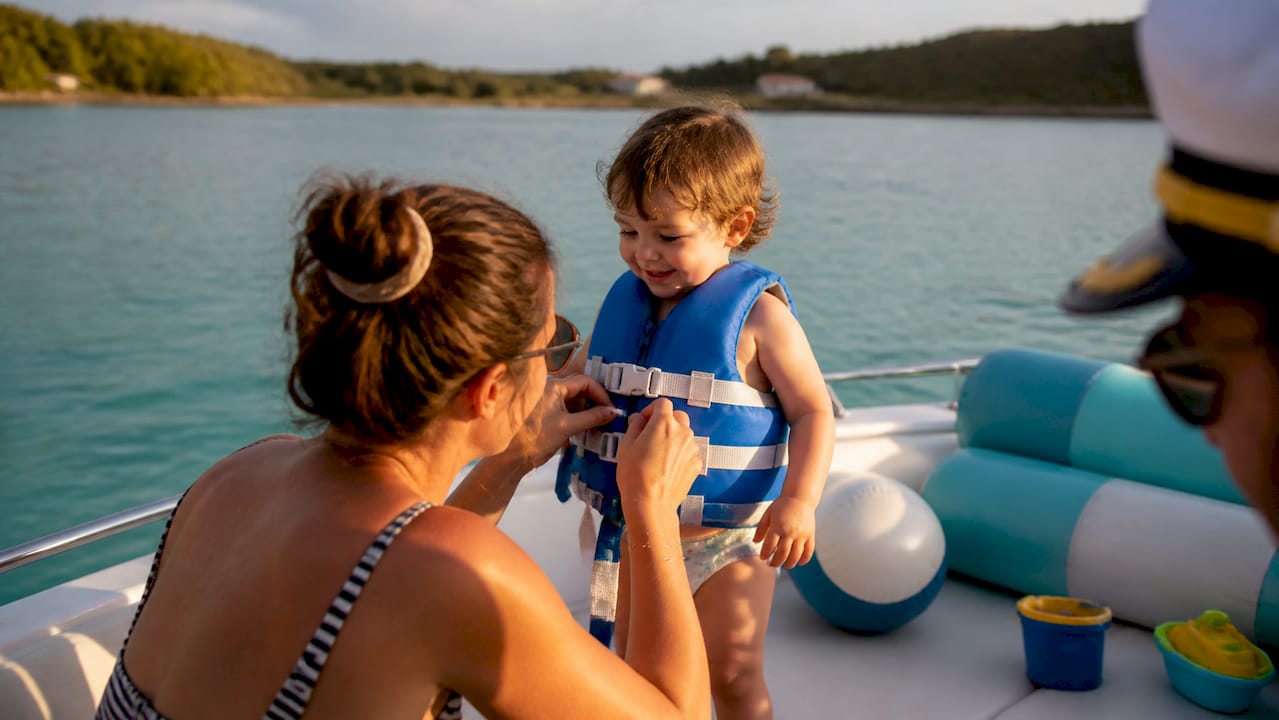
The best calm-water tours for young kids share four non-negotiables: a sheltered route (bay, sandbar, or protected pass), a duration of a few hours with kid-paced stops, Coast Guard–approved life jackets in every size, and at least one hands-on activity like sandbar wading or wildlife spotting. For families visiting Destin, Crab Island Tours checks every one of those boxes: a USCG-licensed crew, life jackets provided for all ages, an onboard restroom, and a family-focused 4-hour outing that runs at a pace small kids can actually handle.
Table of Contents
What types of calm-water tours work best for toddlers and young kids?
How do you choose the right calm-water tour for your young kids?
What safety essentials and age policies should you check before booking?
What does a kid-friendly calm-water tour actually look like?
What should you pack for toddlers and young kids on a boat tour?
Where do calm-water, kid-friendly tours commonly run in the U.S.?
What can Destin families expect from a local Crab Island outing?
How do you manage nap times and motion sickness on the water?
Crab-island-tours: a Destin option that meets every criterion
What types of calm-water tours work best for toddlers and young kids?
Not every “family-friendly” boat tour is built the same way. The format matters as much as the water conditions, especially when you’re managing a 2-year-old’s attention span.
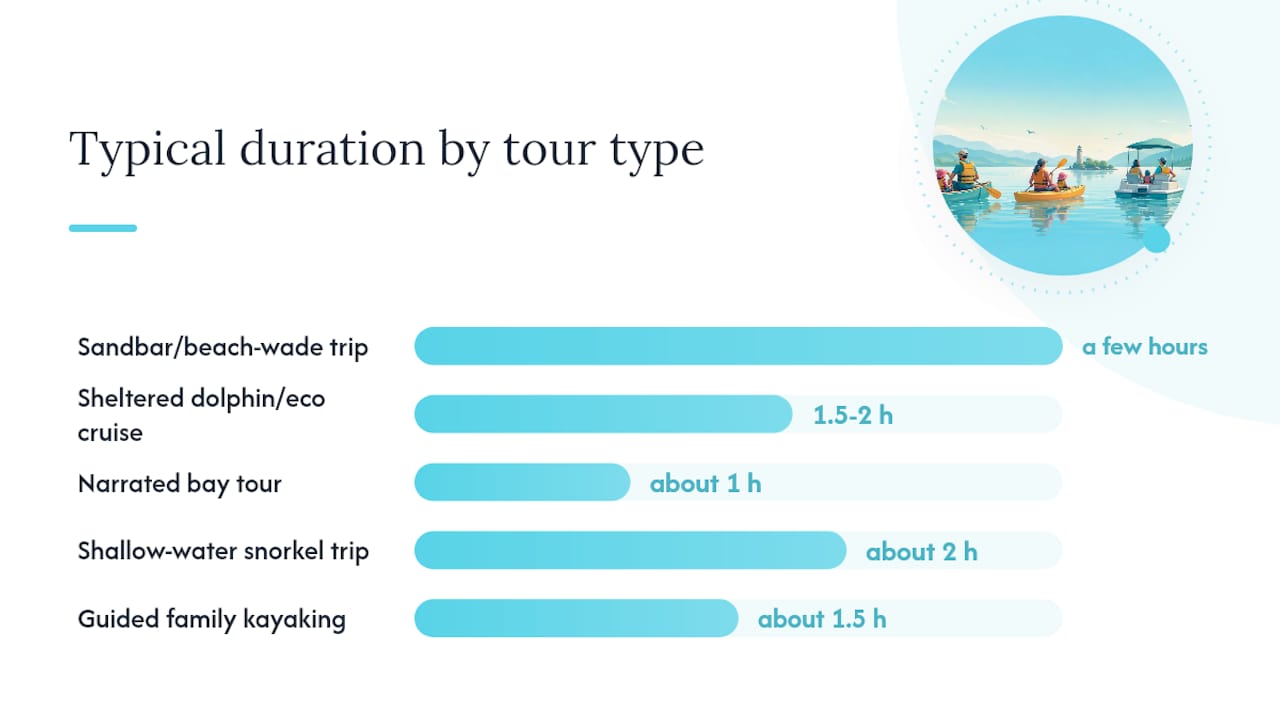
Guided family kayaking (tandem or sit-on-top) — A participatory alternative to motorboat tours. Stable sit-on-top kayaks with parent-child seating work well for kids around age 5 and up. Sessions typically run about an hour and a half in sheltered bays. Younger kids ride along; they don’t paddle.
Here’s a quick comparison to help you short-list:
Tour format | Best age range | Typical duration (approximate) | Top kid-friendly feature |
Sandbar/beach-wade trip | toddler age and up | a few hours | Shallow wading, shelling, sensory play |
Sheltered dolphin/eco cruise | preschool age and up | about 1.5 to 2 hours | Narrated wildlife spotting |
Narrated bay tour | infant age and up | around an hour | Calm, shaded, seated |
Shallow-water snorkel trip | school age and up | a couple of hours | Hands-on underwater exploration |
Guided family kayaking | school age and up | about 1.5 hours | Active participation, calm water |
For the very youngest kids, under 3, the sandbar-wade format or a short narrated bay tour tends to work best. One-hour “toddler time” programs that combine a brief boat ride with sandbar sensory play are specifically designed to avoid overstimulation and keep logistics simple for caregivers.
How do you choose the right calm-water tour for your young kids?
Start with the route, not the price. A cheap tour on choppy open water is worse than a pricier one in a sheltered bay. Here’s the order of priority:
Protected water. Bays, passes, and sandbars with natural wind protection. Ask specifically: “Is the route sheltered, or will we encounter open-water swells?”
Duration and pacing. Under 2 hours for toddlers; up to 4 hours for kids 4 and older if there’s a sandbar stop mid-trip.
Life jackets in all sizes. Ask: “Do you provide Coast Guard–approved life jackets in infant and toddler sizes?”
Onboard restroom. Non-negotiable for any trip over 90 minutes with young kids.
Shaded seating. Direct sun on a 2-year-old for two hours is a problem. Confirm there’s a covered or shaded area.
Questions to ask when booking:
“What is the minimum age, and do you have any restrictions for infants?”
“Is there a restroom on board?”
“What is your cancellation policy if my child is sick or the weather turns?”
“What is the maximum passenger count?” (Smaller boats mean a calmer, quieter experience for kids.)
“Do you offer private or family-charter options?”
Red flags to walk away from:
No child-sized life jackets available
Long nonstop open-water legs with no sheltered stop
Vague answers about cancellations (“we’ll see what the weather does”)
No mention of seating rails or safety briefings for children
Pro Tip: Book a morning departure whenever possible. Water is almost always calmer before noon, afternoon thunderstorms are common in Gulf Coast summers, and kids are fresher in the morning than after lunch.
What safety essentials and age policies should you check before booking?
Safety on a kid-focused water tour comes down to a short list of verifiable facts, not marketing language.
Confirm these before you pay:
USCG-licensed vessel and crew (ask for the license number if you want to verify)
Life jackets provided for every passenger, including infants, in multiple sizes
A clear safety briefing that covers child life jacket fitting
Crew trained in basic first aid and child life jacket adjustment
Defined maximum passenger capacity (lower is generally better for families)
Age policies vary by operator and tour type. Open-water snorkel trips often require a minimum age of 5–6. Sandbar-wade tours typically welcome kids from age 2 onward, and some operators accept infants. Always ask about stroller access at the boarding dock and whether there’s a flat, stable surface for diaper changes on board. Most smaller tour boats don’t have a dedicated changing area, so a portable changing pad in your bag is a practical backup.
Seasickness on calm water: It’s less common than on open-ocean trips, but it still happens, especially with toddlers in enclosed cabin spaces. A few practical steps:
Give kids a light snack (crackers, not a full meal) about 30 minutes before boarding
Keep them in fresh air on the deck rather than below
Seat them midship, where motion is least pronounced
If your child is prone to motion sickness, ask your pediatrician about age-appropriate remedies before the trip
Pro Tip: Bring a small bag of plain crackers and a bottle of water in an easy-access pocket. Hunger and dehydration amplify motion sickness symptoms in young kids, and snack access during the trip makes a real difference.
For more on what to ask operators and how to plan a kid-focused outing, the kid-friendly boat tour guide from Crab-island-tours covers the key questions in detail.
What does a kid-friendly calm-water tour actually look like?
Knowing the flow of a trip helps you plan nap windows, snack timing, and manage expectations before you ever step on the boat.
Short shared cruise (60–90 minutes):
Time window | What’s happening |
— | Boarding, safety brief, life jacket fitting |
10–30 min | Sheltered cruise, captain narration, wildlife spotting |
30–60 min | Sandbar or shallow beach stop, wading and shelling |
60–90 min | Return cruise, calm viewing, snack time |
Family-focused sandbar + cruise half-day (3–4 hours):
Time window | What’s happening |
— | Boarding, safety brief, gear distribution |
about an hour | Sheltered cruise to destination, narration |
60–90 min | Sandbar stop: wading, shelling, floating, snorkeling |
2–3 hours | Second cruise leg, wildlife spotting |
3–4 hours | Return, wind-down, snack window |
For toddlers under 3, the 60–90 minute format is usually the ceiling before fatigue sets in. Preschoolers (3–5) can handle 2–3 hours if there’s a sandbar stop with physical activity in the middle. Early-elementary kids (6–8) generally do well with a full half-day, especially when there’s snorkeling or shelling to hold their attention.
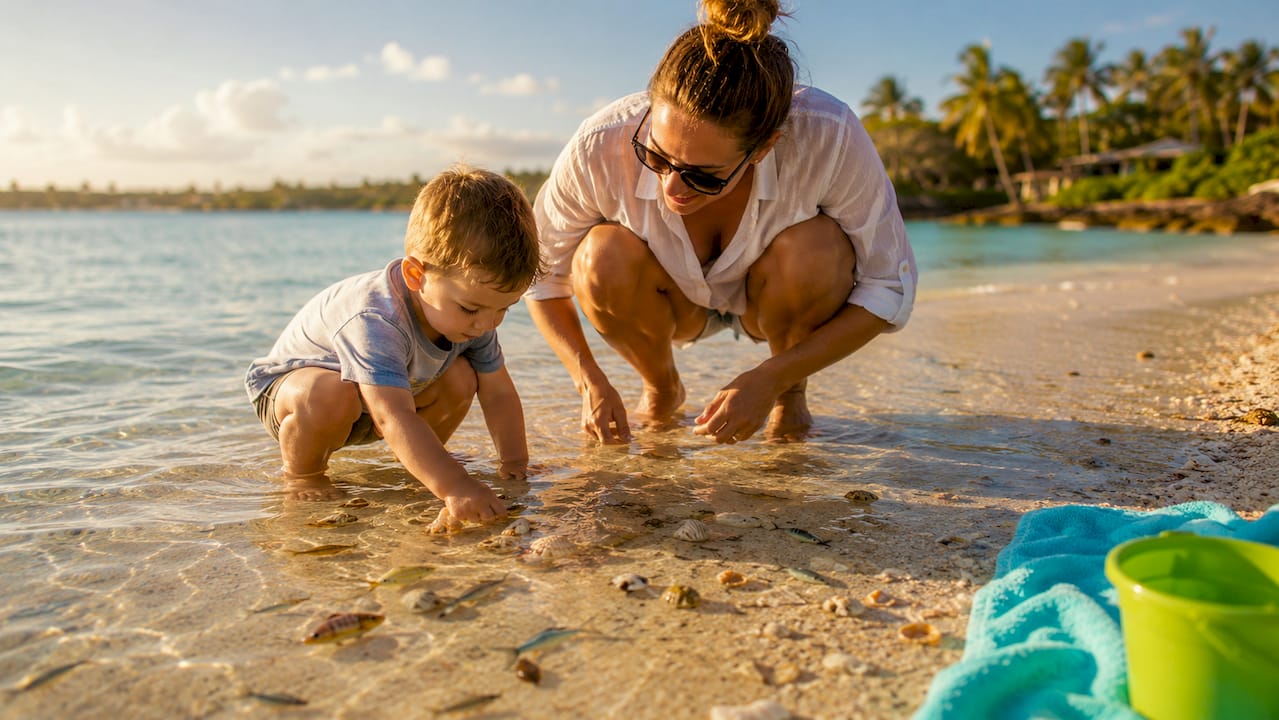
The sandbar stop is the anchor of most successful kid-focused trips. That’s where the kid-friendly water activities that keep young children most engaged actually happen: sensory play in shallow water, collecting shells, spotting small fish.
What should you pack for toddlers and young kids on a boat tour?
Keep it light and organized. A bag you can actually get into one-handed while holding a toddler is worth more than a fully stocked cooler.
Must-haves:
Reef-safe toddler sunscreen (apply 20 minutes before boarding, not on the dock)
Sun hat with a chin strap (regular hats blow off)
Extra set of clothes and a swimsuit per child
Swim diapers if your child is not potty trained
Snacks: crackers, fruit pouches, something familiar and easy to eat on a moving boat
Water bottles, one per person
Motion-sickness remedy if your child is prone (confirm with your pediatrician first)
Boat-specific additions:
Quick-dry towel (one per kid)
Small soft cooler that fits under a seat
Zippered dry bag for phones and valuables
Garbage bag for wet clothes on the way home
A small familiar toy or comfort item for younger toddlers
Simple, familiar activities keep kids calm during the cruising stretches. Water-based play ideas that work on a boat include a small waterproof toy, a simple color-spotting game, or a “find the pelican” wildlife challenge. You don’t need much.
Pro Tip: Pack snacks in individual zip-lock bags rather than a shared container. One-handed access matters when you’re also managing a life jacket and a squirming 3-year-old.
Where do calm-water, kid-friendly tours commonly run in the U.S.?
Geography matters. The calmer the surrounding water, the better the experience for young kids.
Top regions for sheltered family boat tours:
Gulf Coast bays and passes: Destin, Naples, and Marco Island all offer protected bay access with sandbar stops. The Gulf’s naturally shallow, warm water makes it one of the best environments in the country for young kids.
Florida Keys and backcountry: Calm, clear, and shallow. Backcountry flats tours and mangrove creek trips run in water that rarely gets rough.
Protected estuaries and tidal creeks: Found up and down the Atlantic and Gulf coasts. Narrated eco tours in these areas are slow, sheltered, and full of wildlife.
Inland lakes: Guided paddling and pontoon tours on calm lakes are a solid option for families who aren’t near the coast. Family-friendly beaches along the Gulf Shores also offer calm, shallow water that suits young kids well.
Seasonality and timing:
Morning departures (before 11 AM) give you the calmest water and the coolest temperatures.
Summer afternoons on the Gulf Coast bring thunderstorms, often by 2–3 PM. Book mornings.
Shoulder seasons (May and September on the Gulf) mean fewer crowds and slightly cooler temperatures without sacrificing water conditions.
Always check wind speed and tide charts the morning of your trip. For sandbar tours, a low or outgoing tide can expose more shallow area; a high tide can cover the sandbar entirely.
Search tip: When browsing local listings, use terms like “sandbar tour,” “sheltered bay,” “toddler welcome,” or “family charter” to filter out open-water and adult-focused options quickly.
What can Destin families expect from a local Crab Island outing?
Crab Island sits in a protected pass just off Destin Harbor, which is exactly the kind of sheltered, shallow water that works for young kids. The family-friendly details about Crab Island are worth reading before you book, but here’s the practical summary:
Guided tours with experienced captains who know the pass and its conditions
Floats and snorkel gear included, so you don’t have to pack or rent separately
Onboard restroom, which matters more than almost anything else on a 4-hour trip with kids
BYOB policy and comfortable seating for up to 31 passengers
4-hour family-focused outings that include time at the sandbar, not just a drive-by
What parents consistently highlight: the crew handles the logistics so you don’t have to. No figuring out boat rentals, no hauling gear, no navigating the pass yourself. You show up, the captain handles the rest, and your kids get a full afternoon in some of the calmest, clearest water on the Gulf Coast.
Booking is done online. When you reserve, mention your kids’ ages and any specific needs (infant life jacket, accessibility requirements) so the crew can prepare.
How do you manage nap times and motion sickness on the water?
Young kids don’t pause their schedules for boat tours. A little planning around their rhythms makes the difference between a great trip and a meltdown at the sandbar.
Nap timing: Schedule tours that start after your child’s morning nap, not during it. A 9 or 10 AM departure works well for most toddlers who nap around midday. For a 4-hour trip, the sandbar stop in the middle gives kids a chance to run energy off before the return cruise, which often becomes an accidental nap window.
Motion sickness on calm water: The risk is lower than on open-ocean trips, but enclosed spaces and diesel fumes can trigger nausea even in sheltered bays. Keep kids on deck in fresh air, seat them midship, and avoid letting them look at screens or books during the cruise. A light snack before boarding helps; a full meal does not.
Attention span management: The pool games and structured activities that family resorts use to keep kids engaged across age groups translate well to boat stops. Simple games like “first one to spot a pelican” or “how many shells can you find” give kids a task and keep them from fixating on when the boat is going home.
One practical rule: bring one more snack than you think you need and one fewer toy. Kids on boats are usually more interested in the water than in anything you packed.
Key Takeaways
The best calm-water tours for young kids combine sheltered routes, short kid-paced durations, life jackets for every size, an onboard restroom, and at least one hands-on stop like a sandbar or wildlife-spotting stretch.
Point | Details |
Sheltered water first | Choose bays, passes, or sandbars over open-ocean routes for toddlers and young kids. |
Duration by age | Under 2 hours for toddlers; up to 4 hours for kids 4+ with a sandbar stop mid-trip. |
Non-negotiable safety | Confirm USCG-licensed crew and Coast Guard–approved life jackets in infant and toddler sizes. |
Ask before you book | Always ask about onboard restroom, cancellation policy, and minimum age before paying. |
Crab-island-tours for Destin | Offers guided 4-hour Crab Island outings with life jackets, onboard restroom, floats, and experienced captains. |
Why short and sheltered beats long and scenic every time
The conventional wisdom on family boat tours tends to focus on scenery: the dolphin count, the sunset angle, the Instagram backdrop. Parents of young kids know that’s the wrong frame entirely. What actually determines whether a trip is a success is whether the child felt safe, had something to do with their hands, and didn’t melt down before the boat got back to the dock.
Short and sheltered wins not because it’s a compromise, but because it’s the right design for how young children actually experience the world. A 90-minute sandbar trip where a 3-year-old wades in knee-deep water and finds two shells is a better memory than a 3-hour open-water cruise where they spent the last hour crying in the shade. The activity density matters more than the distance covered.
The operators who understand this build their tours around stops, not miles. They slow down, narrate, and give kids something to look at every 10 minutes. That’s not a lesser version of a boat tour. It’s a better one.
Crab-island-tours: a Destin option that meets every criterion
Four hours on the water, a sandbar in protected Destin Harbor, floats and snorkel gear already on board, an onboard restroom, and a captain who’s done this hundreds of times with families just like yours. That’s the short version of what Crab-island-tours delivers.
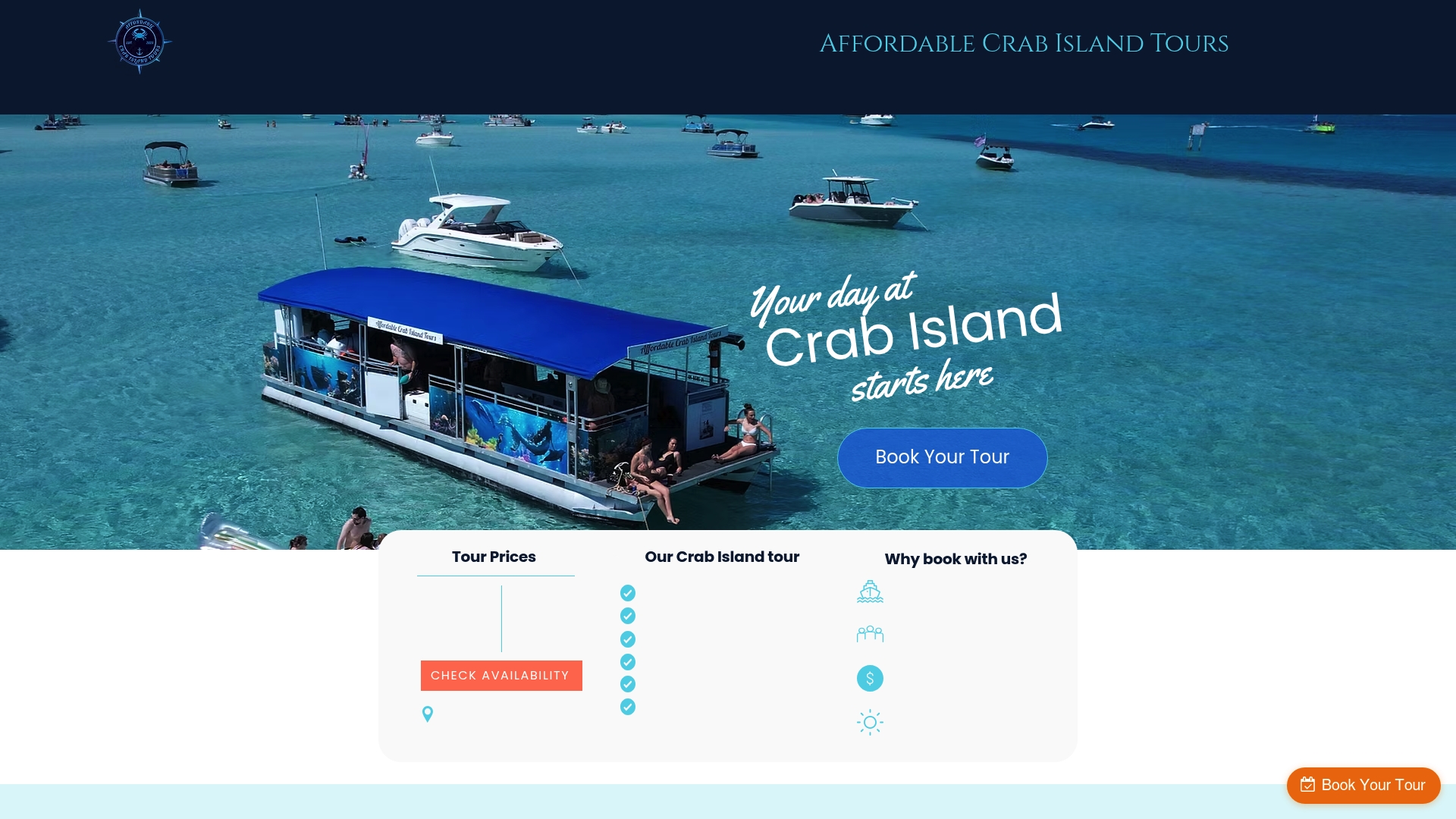
No boat rental logistics, no gear hauling, no navigating the pass yourself. You show up, the crew handles everything, and your kids get one of the best shallow-water experiences on the Gulf Coast. Seating for up to 31 passengers means there’s room for the whole family, and the BYOB policy means you’re not paying resort prices for drinks. USCG-licensed, life jackets for every age, and a route that stays in sheltered water the entire time.
Book your Crab Island tour online and mention your kids’ ages when you reserve. The crew will have the right gear ready before you board.
Useful sources and local links to check before you go
Family-friendly water activities: swimmingly good Ohio fun
Summer water activities for kids at home
15 best swimming pool games for ultimate fun
Crab Island Tours (landing page)
Recommended
Comments