.png)
Why Kids Love Floating at Crab Island: A Parent's Guide

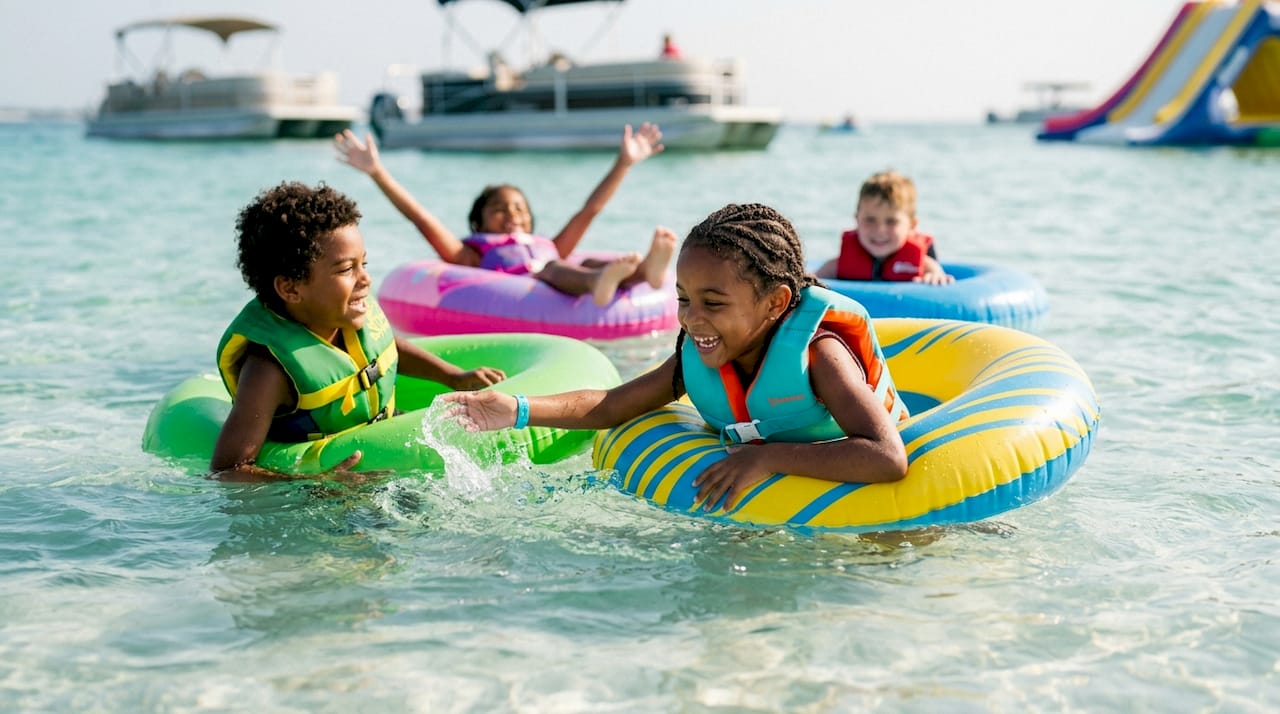
Crab Island is defined as a shallow sandbar off the coast of Destin, Florida, where waist-deep water and a festive atmosphere make it one of the most family-friendly destinations in the Gulf. Why kids love floating at Crab Island comes down to a simple combination: calm, clear water that feels safe, floating inflatables and pontoon slides that feel like a waterpark, and the natural sensory benefits that water delivers to a child’s developing nervous system. Family boat rentals typically run $50–$60 per child, with kids under 4 often free, making it one of the more affordable family outings in the Destin area. The result is a place where kids beg to stay longer and parents actually relax.
Why kids love floating at Crab Island: the sensory science behind it
Floating is not just fun. It delivers real, measurable benefits to a child’s body and brain, and that is exactly why kids keep asking to go back.
Water exerts hydrostatic pressure on the body from every direction at once. Pediatric experts liken this consistent tactile input to the calming effect of a weighted blanket, which is already widely used to reduce anxiety and sensory overload in children. The pressure is gentle, predictable, and constant. That combination tells a child’s nervous system to settle down.
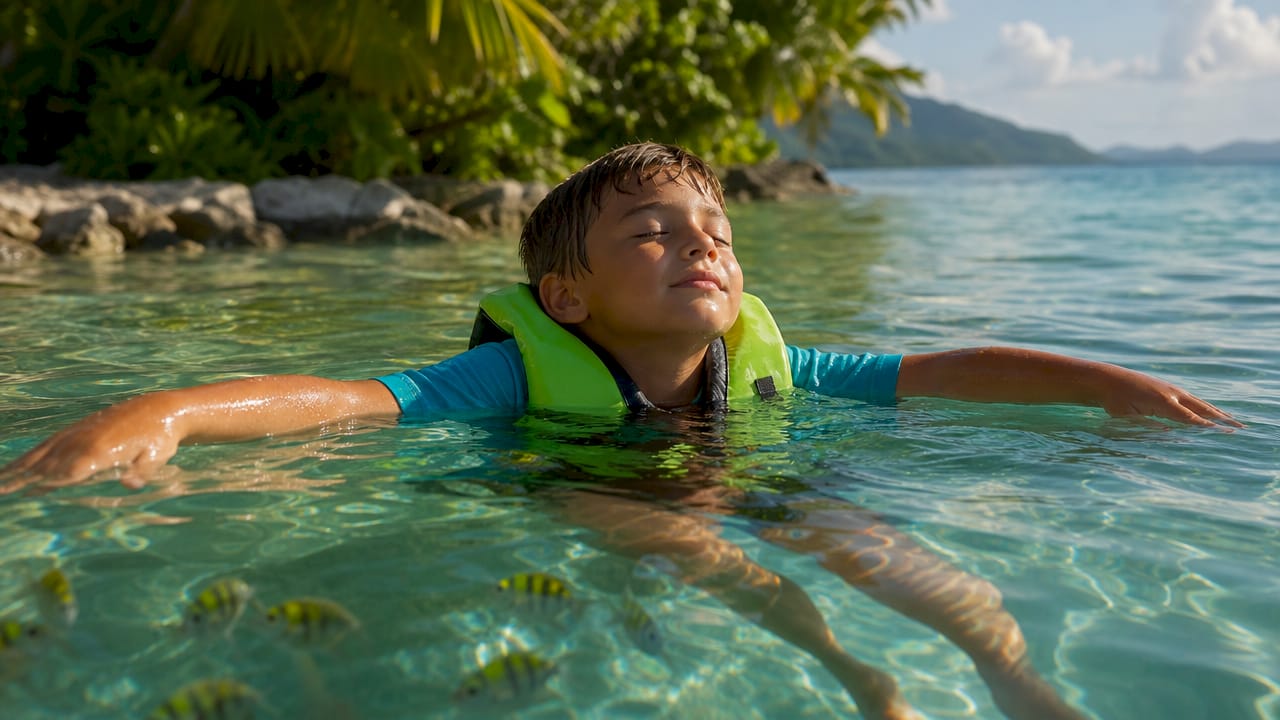
The benefits go beyond calm. Water’s resistance slows every movement down, which means the body gets amplified feedback on each action. Researchers find that swimming and water movement improve grasping, postural control, and emotional resilience in kids. A child paddling on an inflatable or balancing on a paddleboard is building core strength and coordination without realizing it. That is the kind of physical development that carries over into the classroom and the playground.
Water play also stimulates brain-derived neurotrophic factor, or BDNF, which boosts neural growth and cognitive development in children. Think of BDNF as fertilizer for the brain. Kids who spend time in active water play are literally building stronger neural connections.
Parents also report a noticeable change in their kids after a floating session. Children who float often sleep better and show improved focus and emotional regulation afterward, because the nervous system calming effect carries over for hours. That post-beach calm is not a coincidence. It is physiology.
Key sensory and developmental benefits of floating for kids:
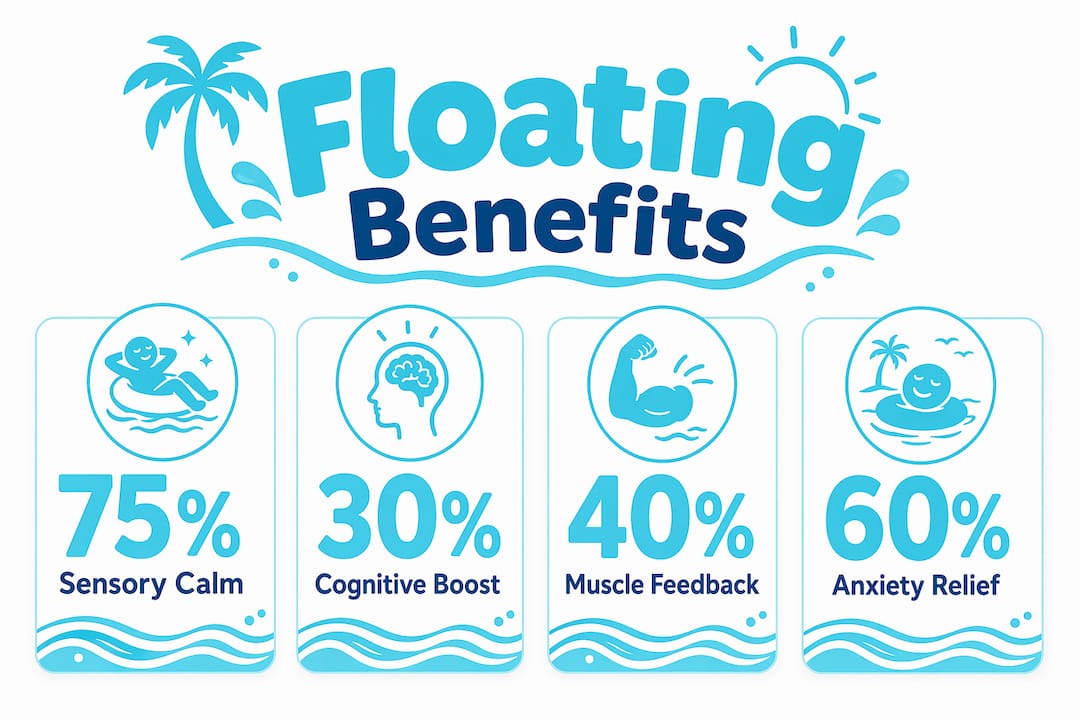
Hydrostatic pressure calms the nervous system, similar to deep-pressure therapy
Water resistance builds core strength, balance, and postural control
Predictable sensory input reduces anxiety and overstimulation
Active water play stimulates BDNF, supporting brain development
Emotional regulation and better sleep reported by parents after floating sessions
Pro Tip: If your child struggles with sensory overload or anxiety, a morning float session at Crab Island can serve as a natural, low-cost alternative to structured sensory therapy. The shallow water keeps it safe while still delivering the full calming effect.
What makes Crab Island’s environment perfect for kids?
Crab Island works for families because the environment itself does most of the safety work. The water sits at waist depth for adults, which means most children can stand with their heads well above the surface. Gentle currents replace the unpredictable surf of open beaches. There are no waves to knock a toddler off their feet.
The floating amenities turn the sandbar into something closer to a waterpark. Double-decker pontoons with slides anchor at the site and give kids a full waterpark experience without the lines, the concrete, or the admission fees. Floating docks, inflatable slides, paddleboards, and kayaks are all available for rent. Kids can move between activities freely, which keeps engagement high and boredom low.
Floating food and drink vendors add another layer of novelty. A vendor pulling up alongside your float with cold drinks and snacks is genuinely exciting for a child. It turns a simple afternoon on the water into something that feels like an adventure.
What to expect at Crab Island for families:
Shallow, calm water at waist depth for adults, safe for young swimmers and waders
Inflatable slides and floating docks available for rent directly on the water
Paddleboards and kayaks for older kids ready for more active water adventures
Double-decker pontoons with slides that function as floating waterpark platforms
Floating vendors offering kid-friendly snacks, drinks, and treats on the water
Anchored floats that stay in place so kids can relax without drifting
Anchoring floats is not optional. Currents at Crab Island can shift, and an unanchored float will drift. An anchored float lets a child lie back, look at the sky, and actually rest. That stillness is where the deepest sensory benefits happen.
Practical tips for parents planning a Crab Island floating day
Planning the visit correctly makes the difference between a stressful outing and a genuinely relaxing family day. A few specific choices will protect both your kids and your sanity.
Timing is the single most important variable. Weekday mornings offer the calmest water, the smallest crowds, and the safest supervision conditions. By early afternoon on weekends, the atmosphere shifts toward adult party crowds. Arriving by 9 or 10 a.m. on a Tuesday or Wednesday gives your family the best version of Crab Island.
What to bring and how to prepare:
Coast Guard-approved life jackets for every child, regardless of swimming ability
Reef-safe sunscreen applied 30 minutes before water entry and reapplied every 90 minutes
Water shoes to protect feet from shells and uneven sandbar surfaces
Snacks and water for the boat ride, supplemented by floating vendors on site
An anchor if you bring your own float, to prevent drifting in shifting currents
A dry bag for phones, keys, and any electronics
Active supervision is non-negotiable. Shallow water does not eliminate drowning risk, especially for toddlers and non-swimmers. Assign one adult per young child and rotate supervision duties so no one loses focus.
Pro Tip: Book a guided tour that includes floats and gear rather than renting everything separately. The logistics of loading, transporting, and anchoring equipment on your own add stress that eats into family enjoyment. A package deal lets you focus entirely on your kids.
How does Crab Island compare to other water-based family attractions?
Parents choosing between Crab Island and other water-based options are really choosing between two different kinds of experience. Crab Island integrates marine life observation, snorkeling, and casual socializing around floating docks in a way that no standard theme park can replicate. The environment is natural, open, and genuinely unpredictable in the best sense.
Here is how Crab Island stacks up against the most common alternatives:
Feature | Crab Island | Crowded water parks | Standard beach outing |
Water depth for kids | Waist-deep, calm | Varies, often deep | Variable, surf present |
Sensory environment | Gentle, natural | Loud, overstimulating | Wind and wave dependent |
Cost per child | $50–$60 boat rental | High admission fees | Low, but limited amenities |
Floating activities | Inflatables, slides, kayaks | Fixed rides, long lines | Minimal |
Marine life access | Snorkeling, fish viewing | None | Limited |
Crowd control | Spacious, open water | Dense, confined spaces | Varies by beach |
The natural environment is the biggest differentiator. Kids at Crab Island might spot stingrays, small fish, or crabs in the water beneath their float. That kind of spontaneous discovery does not happen at a water park. It builds curiosity and a connection to the natural world that parents cannot manufacture.
The cost advantage is also real. A family of four can access Crab Island for a fraction of what a theme park charges, and the experience lasts a full day rather than a few hours of queuing.
Key Takeaways
Floating at Crab Island delivers genuine developmental benefits for kids, not just entertainment, making it one of the most worthwhile family water activities in the Destin area.
Point | Details |
Sensory benefits are real | Hydrostatic pressure calms kids’ nervous systems and supports motor development. |
Environment is naturally safe | Waist-deep, calm water with gentle currents reduces risk for young swimmers. |
Timing changes everything | Weekday mornings offer the safest, calmest, most family-friendly experience. |
Gear planning matters | Life jackets, anchors, and sunscreen are non-negotiable for a safe float day. |
Crab Island beats alternatives | Natural setting, lower cost, and open space outperform crowded water parks for families. |
What I’ve learned watching kids float at Crab Island
I have watched a lot of kids hit the water at Crab Island over the years, and the pattern is always the same. Within about ten minutes of getting on a float, the tension leaves their bodies. The kid who was whining in the car is now lying back on an inflatable, staring at the sky, completely still. That shift is not magic. It is the hydrostatic pressure doing exactly what the research says it does.
What surprises most parents is how long the calm lasts. Kids who float for a few hours come off the water quieter, more cooperative, and genuinely tired in a healthy way. Not the cranky, overstimulated tired you get after a theme park. The good kind.
The other thing I notice is confidence. A child who is nervous about water at the start of the day will almost always be splashing and laughing by noon. The shallow, predictable environment at Crab Island removes the fear triggers that open water or deep pools create. Kids can stand up whenever they want. That control matters enormously to a child’s willingness to push their comfort zone.
My honest advice to parents: stop treating Crab Island as a one-time vacation activity. Build it into your regular summer rotation. The developmental return on a few hours of floating is genuinely hard to match anywhere else.
— Troy
A stress-free floating day for your family starts here
Planning a Crab Island trip with kids should not mean juggling boat rentals, gear logistics, and safety equipment on your own.
Crab-island-tours offers a complete family package that takes the planning off your plate entirely. The tour includes floats, an onboard restroom, and experienced captains who know Crab Island’s waters. You show up, the kids get in the water, and you actually get to relax. The 4-hour format is long enough for kids to fully settle into the sensory experience without the exhaustion of an all-day trip. Families consistently highlight the attentive crew and the value for money in their reviews. Book your family Crab Island tour and let the water do the rest.
FAQ
Why is Crab Island so popular with kids?
Crab Island’s waist-deep, calm water gives kids the freedom to play safely without the fear of waves or deep water. The combination of floating inflatables, slides, and snack vendors makes it feel like a waterpark in a natural setting.
What age is Crab Island appropriate for?
Crab Island is suitable for children of all ages, including toddlers, because the water is shallow and calm. Kids under 4 are often admitted free on family boat rentals, making it accessible for families with very young children.
Do kids need life jackets at Crab Island?
Yes. Coast Guard-approved life jackets are recommended for all children regardless of swimming ability. Shallow water reduces risk but does not eliminate it, especially for toddlers and non-swimmers.
What is the best time to visit Crab Island with kids?
Weekday mornings are the best time for families. Crowds are smaller, the water is calmer, and the atmosphere is far more suitable for young children than weekend afternoons.
Does floating actually benefit kids developmentally?
Yes. Water play supports motor development, core strength, and emotional regulation. The hydrostatic pressure of water calms the nervous system in a way similar to deep-pressure therapy, and parents report improved sleep and focus in kids after floating sessions.
Recommended
Comments